Mosquito and bed bug control in Quail Creek, Amarillo (79124)
Quail Creek sits near Medi Park and Tascosa Country Club on the northwest side, so summer brings mosquitoes off the park water and skunks along the open edges.Its apartments add a second problem: bed bugs and roaches that move in with tenants.
ZIP 79124Northwest AmarilloPotter County
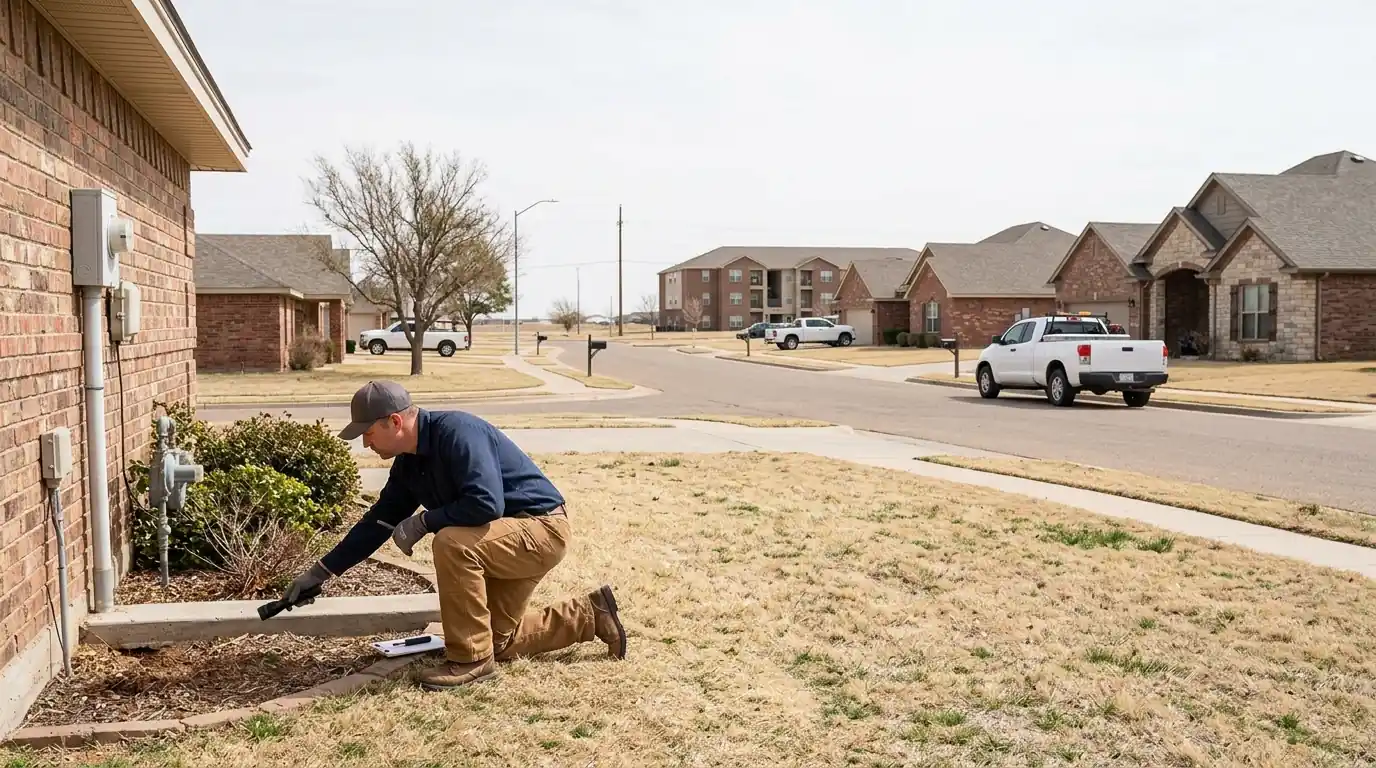
How do you control mosquitoes in a Quail Creek backyard near Medi Park?
We start by finding standing water in your own yard, since the City of Amarillo treats parks and ditches but does not spray private property. Then our technician treats the shady shrubs, fence lines and under-deck spaces where adult mosquitoes rest, and adds larvicide to water that can't be dumped. Repeat visits from June through October cover the summer hatch and West Nile season.
What Medi Park and Tascosa Country Club mean for Quail Creek pests
Quail Creek is a northwest Amarillo neighborhood in Potter County, built from the early 1990s through newer sections such as The Rim at Quail Creek, dating from 2013. Apartment communities share the area with single-family streets. Medi Park, the Medical Center Park on Wallace Blvd, and Tascosa Country Club are both close by, and those green spaces shape much of what we see in the 79124 ZIP.
The park's water and irrigated turf suit mosquitoes. On the High Plains, adults emerge mostly from June to August. Nearly every year some local mosquitoes test positive for West Nile, and the risk often climbs highest in September and October. The City of Amarillo larvicides parks and fogs streets between April and October when trap counts and complaints call for it. It does not treat private yards, and that gap is why homeowners near the park call us.
Fairways and park edges also give striped skunks room to travel after dark. They dig for grubs in watered lawns, leaving small cone-shaped holes by morning, and look for den space under decks, sheds and porch slabs. Most denning starts in late winter, ahead of the litters born in May, which is why a skunk that settles under your deck in February may still be there in summer.
Why bed bugs and roaches follow move-ins at Quail Creek apartments
Apartments turn over more often than houses, and every move carries furniture, boxes and luggage through the door. Bed bugs ride in on secondhand mattresses, couches and suitcases, settle into mattress seams and bed frames, then spread to baseboards and picture frames. German cockroaches arrive in boxes and used appliances and stay near the warmth of a fridge motor, dishwasher or water heater. Shared walls and plumbing chases let either pest reach the unit next door.
So we treat apartments differently from houses. Our technician inspects the reported unit and, when the manager allows, the units beside, above and below it. Bed bug work needs a second visit about 10 days later, because eggs that survive the first round hatch on their own schedule. For German roaches we rely on gel bait and a growth regulator instead of sprays that drive them through the walls.
Pest problem in Quail Creek?
Call and describe it. The phone is answered 24 hours a day.
First clues Quail Creek residents notice, pest by pest
Each of these points to a different problem and a different visit.
Bites in a row
Itchy welts lined up on arms or shoulders after sleeping can mean bed bugs, especially after a move or a trip.
Rusty spots on seams
Small dark stains and shed skins along mattress seams and the box spring frame are classic bed bug signs.
Roaches when the light flips on
Small tan roaches darting under the stove or into cabinet hinges at night point to German cockroaches.
Dusk bites on the patio
Mosquito bites at sundown in a yard facing park space usually mean adults resting in nearby shrubs.
Wigglers in standing water
Tiny larvae flicking in a birdbath, plant saucer or clogged gutter show mosquitoes breeding right in your yard.
Cone-shaped holes and a musky smell
Fresh holes in the lawn overnight and odor under a deck point to a skunk feeding or denning on the property.
Our mosquito treatment for a Quail Creek yard by the park
Mosquito work targets breeding spots first and resting spots second.
Water walk
We check gutters, plant saucers, birdbaths, toys, tarps and low spots in the lawn. Anything that holds water for a week can raise a batch of mosquitoes.
Larvicide where needed
Water you can't dump, such as a decorative pond, gets a larvicide that stops larvae from becoming biting adults.
Treat the resting zones
Adults spend the day in shade, so we treat shrubs, the underside of decks, fence lines and dense plantings rather than open lawn.
Plan repeat visits
One treatment fades with sun, wind and sprinklers. Visits from June into October cover the summer hatch and the fall West Nile peak.
Pest control services for Quail Creek
Mosquito Control
Mosquitoes biting on the patio at dusk usually mean they are breeding in standing water close to home, in a clogged gutter, a planter...
Bed Bug Treatment
Itchy bites in a line, tiny dark spots on the mattress seam or a live bug in the headboard usually mean bed bugs came...
Apartment & Rental Pest Control
When roaches or bed bugs show up in one unit, the units on either side are usually next.
Cockroach Control
Small brown roaches under the sink and big reddish ones coming up the floor drain are two different problems with two different fixes.
Skunk Removal
A skunk denning under your porch, deck or shed brings odor, holes and a rabies concern for pets.
Bed Bug Heat Treatment
Heat treatment raises a room hot enough, long enough, to kill bed bugs and their eggs in the mattress, furniture and cracks in a...
Pest control questions from Quail Creek
Do mosquitoes from Medi Park reach Quail Creek backyards?
They can. Homes near the park's water and irrigated grounds tend to see more mosquitoes at dusk, and standing water in your own yard adds to the count. The city larvicides parks and fogs streets, but private yards are left to owners. Clearing water at home and treating shady resting spots makes a clear difference on summer evenings.
What should Quail Creek apartment renters do after finding a bed bug?
Tell your property manager right away and don't move furniture or bedding into another room, which spreads them. Run bedding through the dryer on high heat and keep a photo or sample bug if you can. We inspect the unit and its neighbors when allowed, treat, then come back roughly 10 days on for any bugs that hatched since.
Why are skunks crossing my Quail Creek yard near Tascosa Country Club?
Skunks travel along open green space at night and stop where food and cover are easy. Watered lawns hold grubs, and decks or sheds offer den space, especially from February on, when females look for a spot to raise young. We remove a denning skunk under Texas rules and close the opening with buried wire so another can't move in.