Prairie dog and gopher control in The Colonies, Amarillo (79119)
The Colonies sits on the southwest side, where the ground beyond the last streets is prairie dog and pocket gopher country.When burrowing animals push toward lawns and fence lines, we work out which animal it is and handle it within Texas rules.
ZIP 79119Southwest AmarilloRandall County
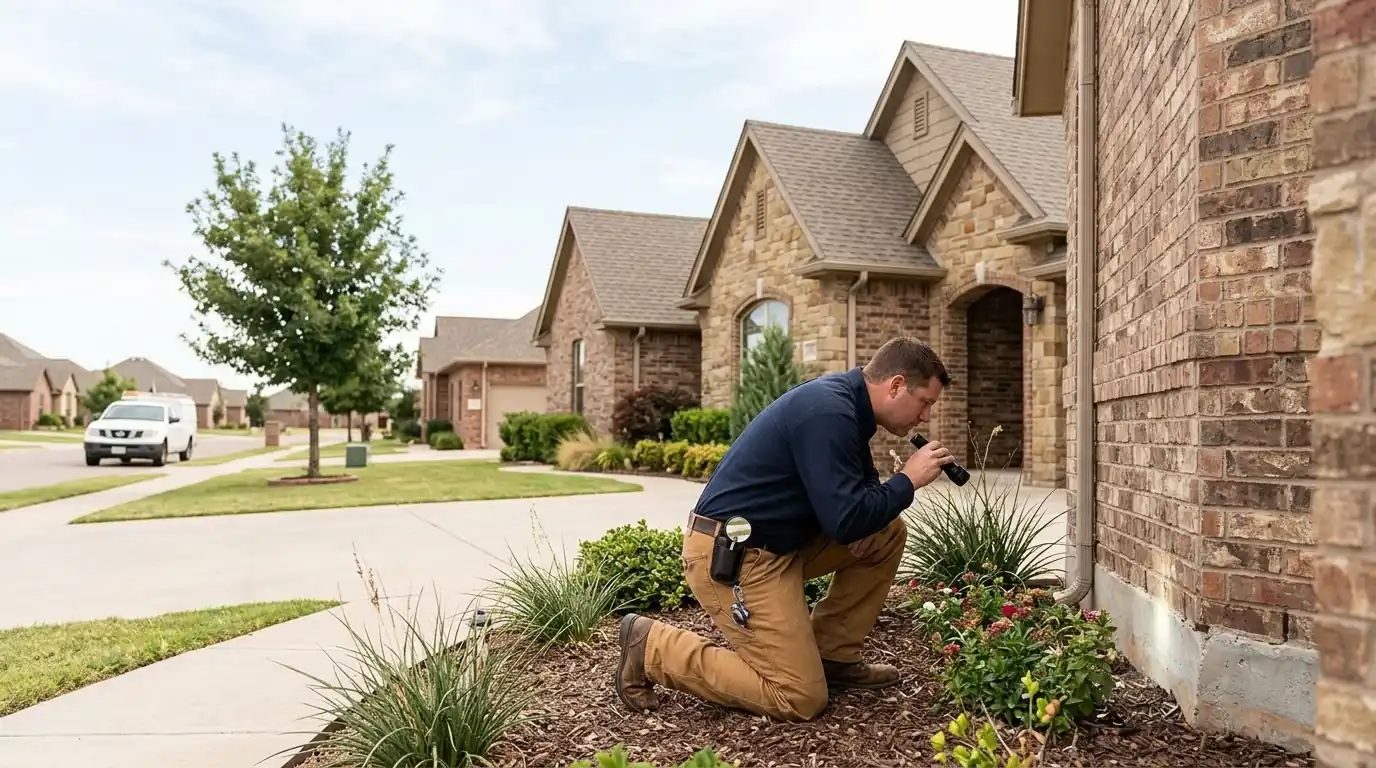
How do you deal with prairie dogs or gophers digging near a home in The Colonies?
First we confirm which animal is digging, because prairie dogs and pocket gophers need different methods. Prairie dogs live in open colonies with visible burrow entrances; pocket gophers stay underground and push up fan-shaped mounds. We check for burrowing owls and signs of a die-off, then use the method that fits, followed by fencing or barriers to slow re-entry.
Why burrowing animals test the edges of The Colonies
The Colonies is a master-planned community of about 700 homes, begun in 2001 and laid out along Wesley Rd, New England Pkwy and Coulter St in southwest Amarillo. It has neat lawns, parkways and fences, and on this side of town open ground is never far off. Black-tailed prairie dogs live across the Panhandle, and pocket gophers work the firmer soils, so the animals were here first.
Texas law treats prairie dogs differently from most wildlife. The Texas Health and Safety Code declares them a public nuisance, and county commissioners courts may buy poison for residents to use. They also carry serious health concerns. Plague is endemic in the Panhandle, and prairie dogs are the main regional reservoir, spread through their fleas. Webs over burrow entrances can be a sign the colony is dying off, and pets should be kept out.
There is a second complication: burrowing owls nest in old prairie dog burrows and are federally protected. Any work near a colony starts with checking for owls. In March 2026 the City of Amarillo worked with a wildlife rehab group to relocate the John Stiff Memorial Park colony, which shows how carefully these situations are handled in town.
Prairie dog or pocket gopher: telling them apart in The Colonies
The signs above ground tell us which animal we are dealing with.
| Clue | Prairie dog | Pocket gopher |
|---|---|---|
| Seen above ground | Often, standing at burrow mouths by day | Rarely; stays in tunnels |
| Burrow entrance | Open hole with a raised dirt rim | Plugged; no open hole |
| Dirt pile shape | Round crater or volcano shape | Fan or crescent-shaped mound |
| Grass around it | Clipped short across the colony | Plants pulled down from below |
| Where in the 79119 ZIP | Open lots and land beyond the fence | Lawns, beds and garden edges |
| Health concern | Plague fleas; keep pets away | Mainly turf and root damage |
Pest problem in The Colonies?
Call and describe it. The phone is answered 24 hours a day.
How we handle burrowing animals near The Colonies
Every job starts with identification and a safety check before any control work.
Identify and map
Our technician looks at mounds, burrow openings and clipped grass to confirm the animal and see how far activity reaches toward your yard.
Check for owls and die-offs
Before treating a prairie dog burrow, we look for burrowing owls and for webbed-over entrances that suggest a die-off. Either one changes the plan.
Use the right method
Pocket gophers are trapped in their main tunnels. Prairie dogs on your property are handled by the method that suits the site and Texas rules, with pets and kids in mind.
Slow the return
We recommend wire mesh buried along fence lines and under beds, and filling old burrows so any new digging is easy to spot.
Watch the fleas
Where prairie dogs or other wildlife have been active near a home, we check pets' resting spots and treat for fleas if needed.
What Colonies homeowners can do about digging animals
A few steps keep the problem small and your family safe.
- Keep dogs and cats away from prairie dog burrows and open land.
- Don't touch or move dead prairie dogs, rabbits or rodents you find.
- Use flea prevention on pets during warm months.
- Fill old burrows and mounds so fresh activity stands out.
- Bury wire mesh a foot deep along fence lines that face open ground.
- Call before using any poison near a burrow; owls may be using it.
Pest control services for The Colonies
Prairie Dog Control
A black-tailed prairie dog town on the lot next door can spread into your yard, pasture or horse pen within a season.
Pocket Gopher Control
Fresh fan-shaped dirt mounds popping up across a lawn or along a pasture edge usually mean a pocket gopher working underground.
Flea Control
Fleas biting your ankles in a house you just moved into, or a dog that will not stop scratching, usually mean a flea cycle...
Snake Removal
A snake coiled by the back door, in the garage or under the AC unit needs to be identified before anyone gets close.
Scorpion Control
Striped bark scorpions climb into attics, then drop into bedrooms and bathtubs when the summer heat builds.
Lawn Grub Control
Brown patches that peel back like loose carpet in midsummer often mean white grubs are eating the roots under your lawn.
Pest control questions from The Colonies
Is it legal to remove prairie dogs from my property in The Colonies?
Yes, in general. Texas law declares prairie dogs a public nuisance, and landowners can control them on their own property. The main exception is wildlife that shares the burrows. Burrowing owls nest in old prairie dog holes and are federally protected, so we check for them before any work. We also follow any rules your HOA has.
Can prairie dogs near The Colonies make my pets sick?
They can expose pets to fleas that carry plague, which is endemic in the Panhandle. Prairie dogs are the main regional reservoir. Keep dogs and cats away from colonies, use flea prevention, and watch for webbed-over burrows, a sign of a possible die-off. If you see dead prairie dogs, keep pets away and don't touch them.
What are the fan-shaped dirt mounds in my Colonies lawn?
Fan or crescent-shaped mounds with no open hole are the classic sign of a pocket gopher. Gophers live in underground tunnels, eat roots and rarely come to the surface. We find the main tunnel between fresh mounds and set traps there. Mesh under new beds helps keep them from moving back in.