Termite inspection and control in Panhandle, TX (79068)
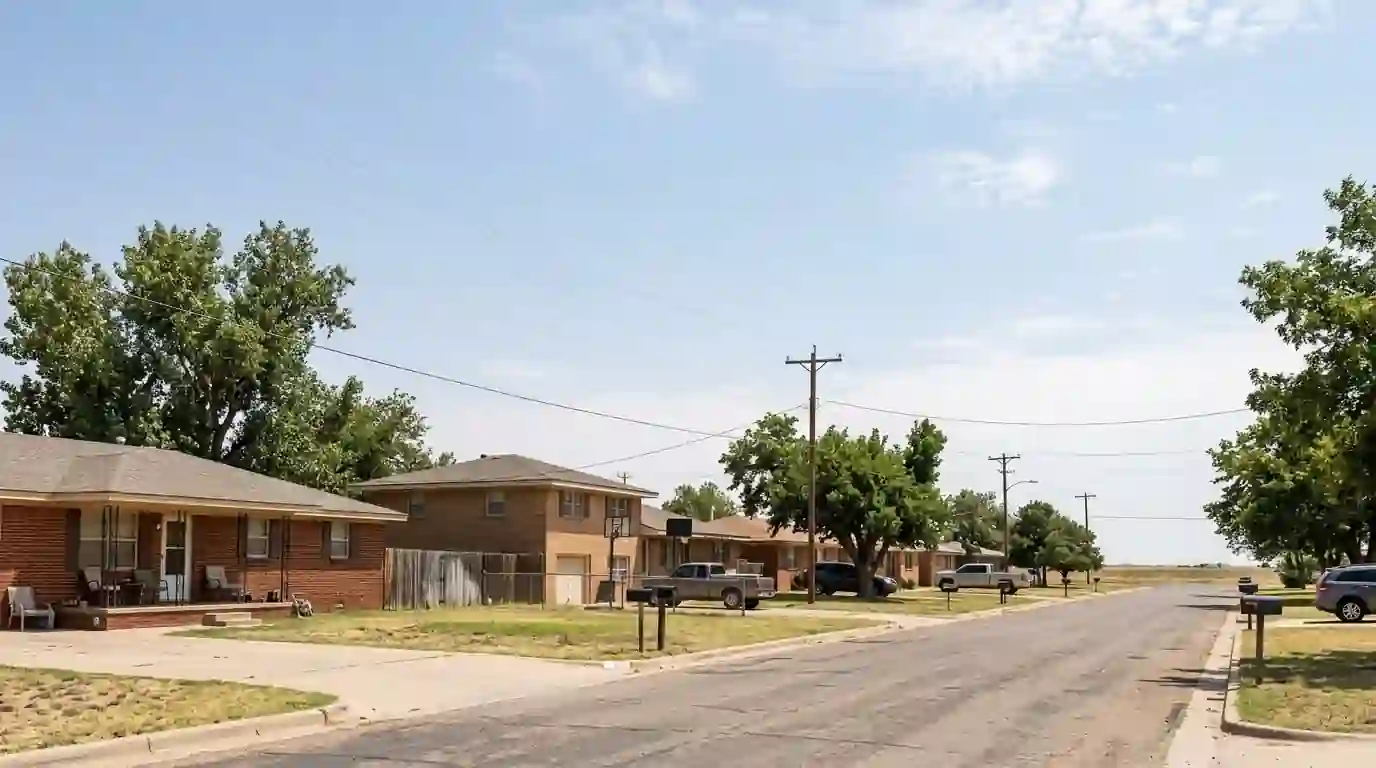
Panhandle's brick streets are lined with older frame and brick homes, and the oldest are more likely to sit on pier-and-beam foundations where termites, skunks and mice work out of sight.We drive about 27 miles northeast on US-60 from Amarillo to inspect them.
ZIP 79068About 27 miles northeast via US-60
Do older homes in Panhandle, TX need termite inspections?
Yes. Native subterranean termites live throughout the Texas Panhandle, and older frame homes with crawlspaces give them easy access to piers, sills and floor framing. We check for mud tubes, damaged wood and moisture in the crawlspace and around the foundation, then recommend bait stations or a soil treatment if we find activity. Swarms come in April and May.
Why older frame homes in Panhandle need a closer look for termites
Panhandle is the Carson County seat, a town of about 2,378 known for its brick streets and the Square House Museum. Many of its homes are older frame and brick houses, and we drive out about 27 miles northeast on US-60 to work homes across 79068.
Homes built in the 1920s through the 1940s are more likely to sit on pier-and-beam foundations with crawlspaces than on slabs. That matters for termites. Subterranean termites live in the soil and build mud tubes up piers and foundation walls to reach wood. In a crawlspace, those tubes and the damage they lead to can go unseen for years. Leaky plumbing, poor ventilation and wood touching the soil all make it easier for them.
Frame siding adds another path. Where siding or trim sits close to the ground, or where soil and mulch have built up against the house over decades, termites can reach wood without tubes showing on the outside. Older homes also tend to have more additions, porches and steps where wood and soil meet.
Termite warning signs in an older Panhandle home
Termites stay hidden, so these clues are worth checking a couple of times a year.
Mud tubes on piers
Pencil-wide tubes of soil running up crawlspace piers, foundation walls or steps are the clearest sign of subterranean termites.
Wings on windowsills
Small, equal-length wings piled on sills or near light fixtures after a spring swarm mean a colony is close by.
Soft or hollow wood
Baseboards, door frames or porch boards that sound hollow or give under pressure may have termite damage.
Sagging floors
Floors that dip or bounce can point to damaged sills or joists in the crawlspace.
Wood touching soil
Porch posts, steps, trellises or siding that touch the ground give termites a direct route in.
Damp crawlspace
Standing water, plumbing leaks or wet soil under the house draw termites and keep them active.
Pest problem in Panhandle?
Call and describe it. The phone is answered 24 hours a day.
What happens on a termite inspection in Panhandle
We look at the house from the crawlspace up.
Exterior walk
Our technician checks the foundation, steps, porches and siding for mud tubes, wood-to-soil contact and soil built up against the walls.
Crawlspace inspection
We go under the house to check piers, sills and joists for tubes, damage and moisture. This is where most termite activity in older homes shows up.
Interior check
Baseboards, window and door frames, closets and bathrooms get a close look for damage and swarmer wings.
Findings and options
If we find termites, we explain whether bait stations, a soil treatment or both make sense for the house, and what moisture fixes would help.
WDI paperwork when needed
For a home sale, findings go on the Texas Department of Agriculture's official SPCS/T-5 report, with photos attached as an addendum.
Other crawlspace guests in Panhandle homes
The same crawlspace that hides termites can shelter skunks and mice. Striped skunks often den under houses, especially where a vent screen has rusted out or skirting has pulled loose. They breed in February and March and have young in May, so a den found in spring may hold a litter. House mice use crawlspaces as a highway, moving up through gaps around plumbing into kitchens and bathrooms.
When we're under the house for termites, we look for those too. A bent vent screen, fresh digging at the foundation or droppings on the vapor barrier all tell us something. Closing those openings with heavy wire and sealant protects the house from more than one pest at a time.
Pest control services for Panhandle
Termite Inspections & WDI Reports
Most Amarillo home sales include a Texas Wood Destroying Insect Report, and many owners want a yearly termite check anyway.
Termite Control
Native subterranean termites live in the soil under Amarillo and work their way into houses through mud tubes you rarely see.
Termite Bait Stations
Termite bait stations sit in the soil around your house and quietly intercept foraging termites before they reach the foundation.
Skunk Removal
A skunk denning under your porch, deck or shed brings odor, holes and a rabies concern for pets.
Rodent Exclusion & Sealing
Trapping clears the mice inside, but every gap a quarter inch or wider is an open door for the next ones.
Home Pest Control
Spiders in the garage, crickets at the back door and a mouse behind the stove are everyday problems in Amarillo houses.
Pest control questions from Panhandle
When do termites swarm in Panhandle, TX?
Subterranean termites in the Texas Panhandle swarm in April and May, usually on a warm day after rain. Swarmers indoors or piles of wings on windowsills mean a colony is close and may already be feeding in the house. Save a few swarmers in a bag and call us for an inspection.
Can you inspect a Panhandle home with a crawlspace for a sale?
Yes. We inspect older Panhandle homes, crawlspace included, and record the results on the Texas Department of Agriculture's official Wood Destroying Insect report, SPCS/T-5. Copies go to whoever ordered the inspection. We explain what we found so buyers, sellers and agents all understand it.
Do bait stations work on older pier-and-beam homes in Panhandle?
They can. Bait stations around the house intercept foraging termites and carry bait back to the colony, and they work on both slab and pier-and-beam homes. Sentricon is one example of a bait system. For heavy activity, we may pair stations with a soil treatment around piers and the foundation.