Pest control across Carson County, TX
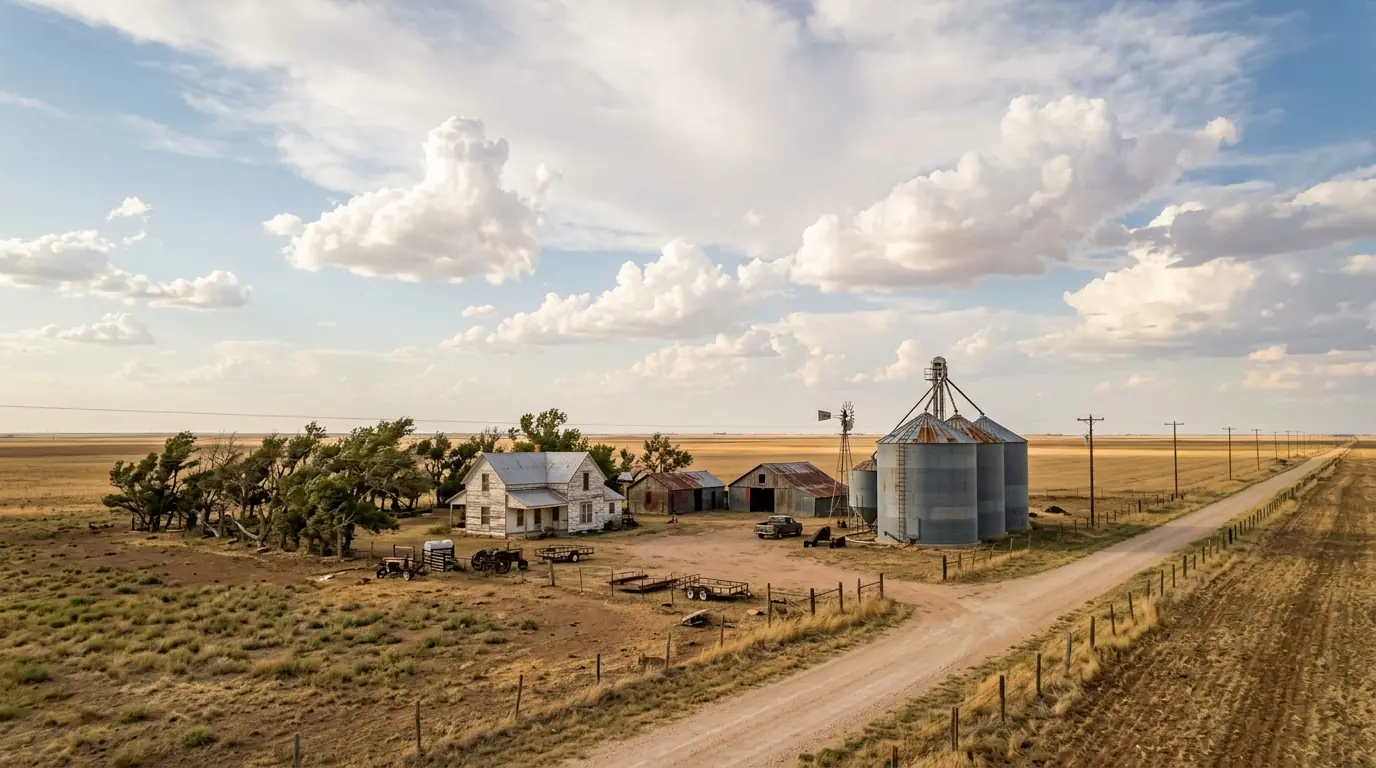
Carson County is wheat and grain country northeast of Amarillo, and that shapes its pests: miller moths pour off the fields each spring, and mice follow grain into farm shops and houses every fall.We drive out on US-60 and answer 24/7.
County seat: PanhandlePopulation 5,807
How do you keep miller moths and mice out of Carson County homes?
Miller moths come from cutworms in wheat and fly for a few weeks from late April through May, so we cut the pull of outdoor lighting and seal the cracks they hide in by day. Mice follow grain and cold weather, so we trap along runways, set tamper-resistant bait outside, and close quarter-inch gaps around doors, pipes and outbuildings.
How wheat ground drives pests across Carson County
Carson County has about 5,807 people spread among Panhandle, the county seat with its brick streets and Square House Museum, and the towns of White Deer, Groom and Skellytown, covering ZIPs 79068, 79097, 79039 and 79080. US-60 crosses the county northeast of Amarillo, and most of the ground on either side is wheat and grain. We drive out from Amarillo, and while we don't promise arrival times for small towns, we set the visit when you call.
The miller moth is the adult army cutworm moth, and wheat is its nursery. Moths come back from Colorado in fall and lay eggs in wheat, the larvae feed as cutworms through the cool months, and the adults emerge in late spring and fly northwest for the summer. For a few weeks from late April through May, a farmhouse ringed by wheat can have hundreds on the porch every evening. They don't feed or breed indoors, but by day they work into cracks around doors, garage seals and shingles, then flutter out inside at night.
Grain does the same thing for rodents. House mice and Norway rats move into elevators, bins, barns and shops wherever grain spills. Norway rats burrow under slabs and outbuildings and favor chicken houses and feed storage. When a cold front drops temperatures 50 to 60 degrees in 12 hours, the mice in the shop look for the closest warm wall, and that is often the house.
Signs the field pests have moved into your Carson County house
Watch for these around the house and outbuildings.
Moths at every porch light
Clusters at lights and screen doors at dusk mean moths are resting in cracks close by during the day.
Dead moths in light fixtures
Piles of dead moths in fixtures and on windowsills can feed carpet beetle larvae later in the year, so vacuum them out once the flight ends.
Grain-sized droppings
Mouse droppings near the pantry, water heater or tool bench show where mice travel inside.
Burrows under outbuildings
Norway rats dig holes two to three inches across along slab edges and under sheds and grain bins.
Moths or beetles in the pantry
Bulk birdseed, pet food and grain products can carry Indian meal moths and sawtoothed grain beetles, which slip into sealed packages.
Chewed feed sacks
Torn bags and spilled feed in the barn or garage keep rodents fed and close to the house.
Pest problem in Carson County?
Call and describe it. The phone is answered 24 hours a day.
What our technician does on a Carson County farm or town visit
We start where the field meets the house.
Walk the outbuildings first
Barns, shops and grain storage tell us how much rodent pressure the house is under. We note burrows, rub marks and droppings before going inside.
Bait and trap placement
Tamper-resistant bait stations go along outbuilding walls and fence lines. Snap traps go inside the house along the walls where mice run.
Seal the house
We close gaps around pipes, the dryer vent and garage door corners, and fit door sweeps where daylight shows. Steel mesh and sealant hold up where foam alone gets chewed through.
Prepare for moth season
Before late April, we treat the exterior around doors, eaves and garage openings and seal the cracks where moths rest by day.
Check back
We return to check traps and stations and adjust placement as harvest and weather change the pressure from the fields.
Small jobs that help during miller moth season
These cost little and cut the evening swarm at your door.
- Turn off porch and yard lights in the evening from late April through May.
- Switch the outdoor bulbs you do use to yellow bug lights.
- Hang a work light over a pan of soapy water in the garage to catch moths that get in.
- Vacuum moths indoors rather than swatting them, which smears their scales on walls and curtains.
- Check weatherstripping on doors and windows before spring.
- Clean out light fixtures and sills once the flight ends.
Pest control services for Carson County
Miller Moth Control
Miller moths pour into Amarillo homes from late April through May, fluttering around lamps and piling up dead on window sills.
Rodent Control
Droppings in a kitchen drawer or scratching in the attic at night usually mean house mice, and gnawed feed sacks in a barn often...
Rodent Exclusion & Sealing
Trapping clears the mice inside, but every gap a quarter inch or wider is an open door for the next ones.
Pantry Pest Control
Small moths fluttering out of the cabinet or tiny brown beetles in the flour usually mean one infested package has seeded the whole pantry.
Carpet Beetle Control
Bald patches in a wool rug, holes in a stored sweater or bristly larvae under the bed point to carpet beetles feeding somewhere quiet.
Home Pest Control
Spiders in the garage, crickets at the back door and a mouse behind the stove are everyday problems in Amarillo houses.
Pest control questions from Carson County
Do you serve White Deer, Groom and Skellytown in Carson County?
Yes. We drive out from Amarillo to Panhandle, White Deer, Groom and Skellytown and the farms around them. Tell us the town and the pest when you call, and we'll set a visit. We don't promise arrival times for small towns, but same-day visits are often possible when the schedule allows.
Are miller moths in Carson County harmful to my home?
No. Miller moths don't bite, feed or breed indoors, and they move on after a few weeks. The trouble is volume: they crowd into closets, lamps and garages, and piles of dead moths can feed carpet beetles. Cutting lights, sealing cracks and vacuuming them up handles most years, and exterior treatment helps in heavy seasons.
How do I keep mice out of my Carson County farm shop and house at harvest?
Clean up spilled grain and feed, store it in metal bins, and close gaps around doors and walls. Mice follow food and cold weather, so pressure climbs at harvest and with the first fronts. We place bait stations along outbuildings and traps inside, and seal the house so the mice stay outside.