Raccoon and wildlife control in Lake Tanglewood, TX (79118)
Lake Tanglewood is built around water and wooded draws, which makes it home for raccoons, skunks, snakes and mosquitoes as much as people.We're a short drive from our south Amarillo office down FM 1151, and we answer 24/7.
ZIP 79118Southeast of amarillo via FM 1151
How do you handle raccoons and other wildlife around Lake Tanglewood homes?
Around Lake Tanglewood, raccoons and skunks come up from the lake and draws to den under decks and in attics, and snakes follow mice along the water. We identify the animal, check for young in spring, remove it within Texas rules, and seal decks, crawlspaces and roof openings. For mosquitoes, we treat shaded resting spots and help remove standing water.
Why the lake and wooded draws bring wildlife to Lake Tanglewood homes
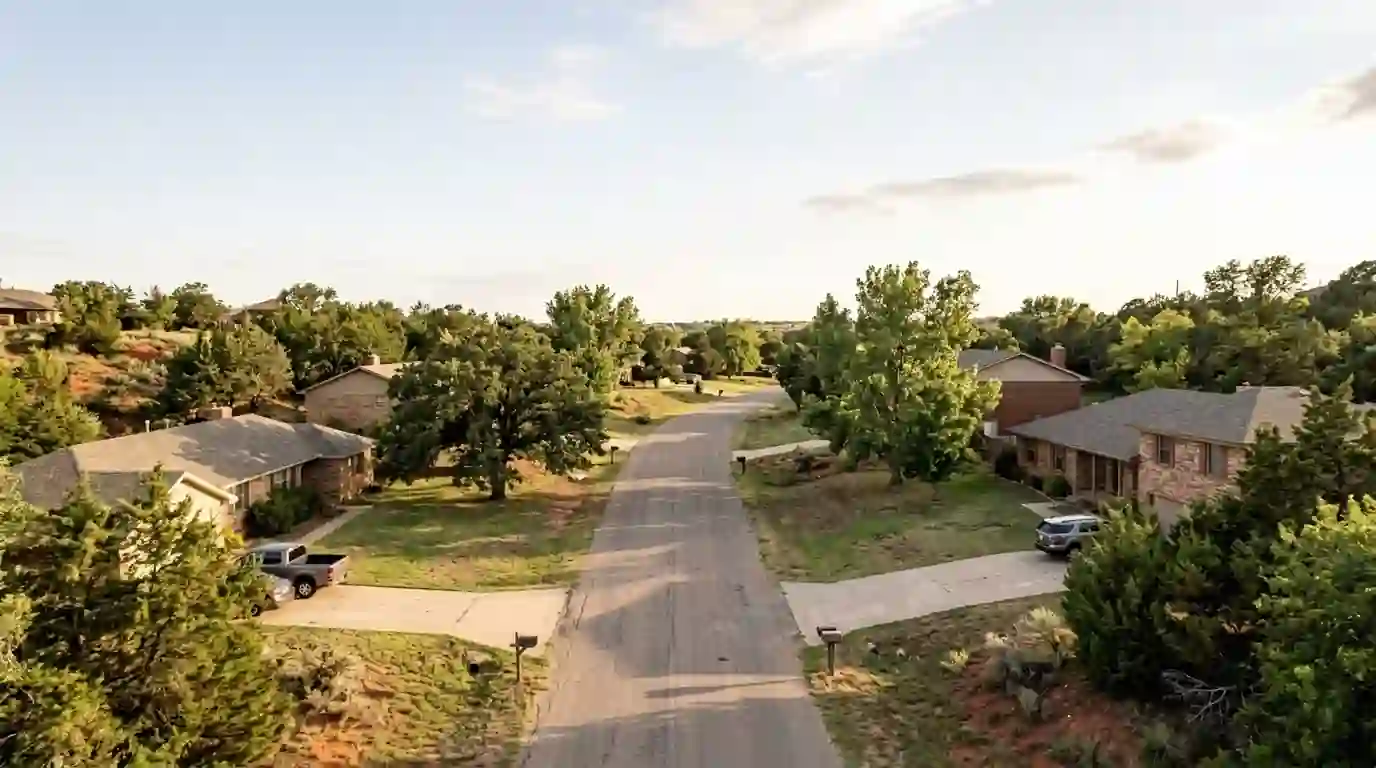
Lake Tanglewood is a small Randall County village of about 686 people, built around a lake on the Prairie Dog Town Fork of the Red River southeast of Amarillo. We reach it on FM 1151 from our south Amarillo office and work homes throughout 79118.
Water and wooded draws are rare on the High Plains, and wildlife concentrates wherever they meet. Raccoons are common statewide and den in barns, sheds and houses, with young born in April and May. They raid trash, pet food and fish cleaning areas, and a female looking for a nursery will tear into an attic vent or soffit. Striped skunks den under decks, porches and houses, breed in February and March and have young in May.
Snakes use the draws and shoreline too, following the mice and frogs that live there. Bullsnakes and coachwhips are common, and rattlesnakes turn up at the edges of town, mostly in July and August. Mosquitoes breed in the shallow edges of the lake, in coves and in any container that holds water. West Nile virus shows up in Panhandle mosquitoes almost every year, and risk often peaks in September and October.
Signs raccoons or skunks have moved in at Lake Tanglewood
These show up around decks, rooflines and trash areas.
Torn soffits or vent covers
Raccoons pull open soffits, roof vents and attic screens to reach a den spot, especially in spring.
Heavy thumping in the attic
Raccoons are heavy and loud. Thumping or chattering overhead at night, especially in April and May, can mean a mother with young.
Raided trash and bird feeders
Cans tipped over, lids pried off and feeders emptied overnight point to raccoons.
Digging under the deck
Fresh holes under decks or porches, with a musky odor, usually mean a skunk.
Handprint-like tracks
Raccoon tracks look like small human hands and show up in mud near the water and on decks.
Droppings in one spot
Raccoons use the same spot repeatedly for droppings, often on a roof, deck or in the attic.
Pest problem in Lake Tanglewood?
Call and describe it. The phone is answered 24 hours a day.
How we remove wildlife from a Lake Tanglewood home
The goal is to remove the animal and close the door behind it.
Inspect roof, deck and crawlspace
We check soffits, roof vents, chimneys, deck skirting and crawlspace openings for damage, tracks and droppings.
Check for young
In spring, we look for litters before sealing anything, since leaving young inside causes damage and odor.
Remove the animal
We use traps or one-way doors depending on the animal. Texas rules limit where captured skunks can go, and moving live raccoons is illegal, so we follow those rules.
Repair and seal
Torn vents get heavy screen covers, and deck skirting and crawlspace openings get wire buried into the soil.
Cleanup and prevention
Raccoon droppings can carry parasites, so attic and deck latrines get cleaned up. We point out trash, feeders and pet food that draw animals back.
Ways to keep wildlife and mosquitoes down at Lake Tanglewood
Living by the water means a few extra habits.
- Store trash in cans with locking lids or keep them in the garage.
- Bring pet food inside at night and pick up spilled birdseed.
- Clean fish and dispose of scraps well away from the house.
- Trim tree limbs back from the roof so raccoons can't climb on.
- Dump water from buckets, planters, boats and kayaks weekly.
- Check deck skirting and crawlspace vents each fall.
Pest control services for Lake Tanglewood
Raccoon Removal
Heavy thumping in the attic at night, a torn soffit or a chimney full of chatter usually means a raccoon has moved in.
Skunk Removal
A skunk denning under your porch, deck or shed brings odor, holes and a rabies concern for pets.
Snake Removal
A snake coiled by the back door, in the garage or under the AC unit needs to be identified before anyone gets close.
Mosquito Control
Mosquitoes biting on the patio at dusk usually mean they are breeding in standing water close to home, in a clogged gutter, a planter...
Dead Animal Removal
A sweet, rotten smell that gets worse every day usually means an animal died in a wall, attic or crawlspace.
Rodent Exclusion & Sealing
Trapping clears the mice inside, but every gap a quarter inch or wider is an open door for the next ones.
Pest control questions from Lake Tanglewood
Why do raccoons keep coming back to my Lake Tanglewood house?
Raccoons return when food and shelter stay available. Trash, pet food, bird feeders and fish scraps keep them close, and an open attic vent or deck gap gives them a den. We remove the animal, seal the entry and point out what's drawing them so the next one doesn't settle in.
Are mosquitoes worse at Lake Tanglewood than in Amarillo?
They can be, since the lake and draws give mosquitoes more breeding water than most city yards. Adults emerge from June to August, and West Nile risk often peaks in September and October. Removing standing water weekly helps most, and we can treat shaded resting areas around the house.
How close is your office to Lake Tanglewood?
Our office is on Lamount Dr in south Amarillo, near Hollywood Rd, and Lake Tanglewood is a short drive southeast on FM 1151. Same-day visits are often possible, and we answer the phone day and night, which matters when a raccoon is in the attic at midnight.