Pest control across Deaf Smith County, TX
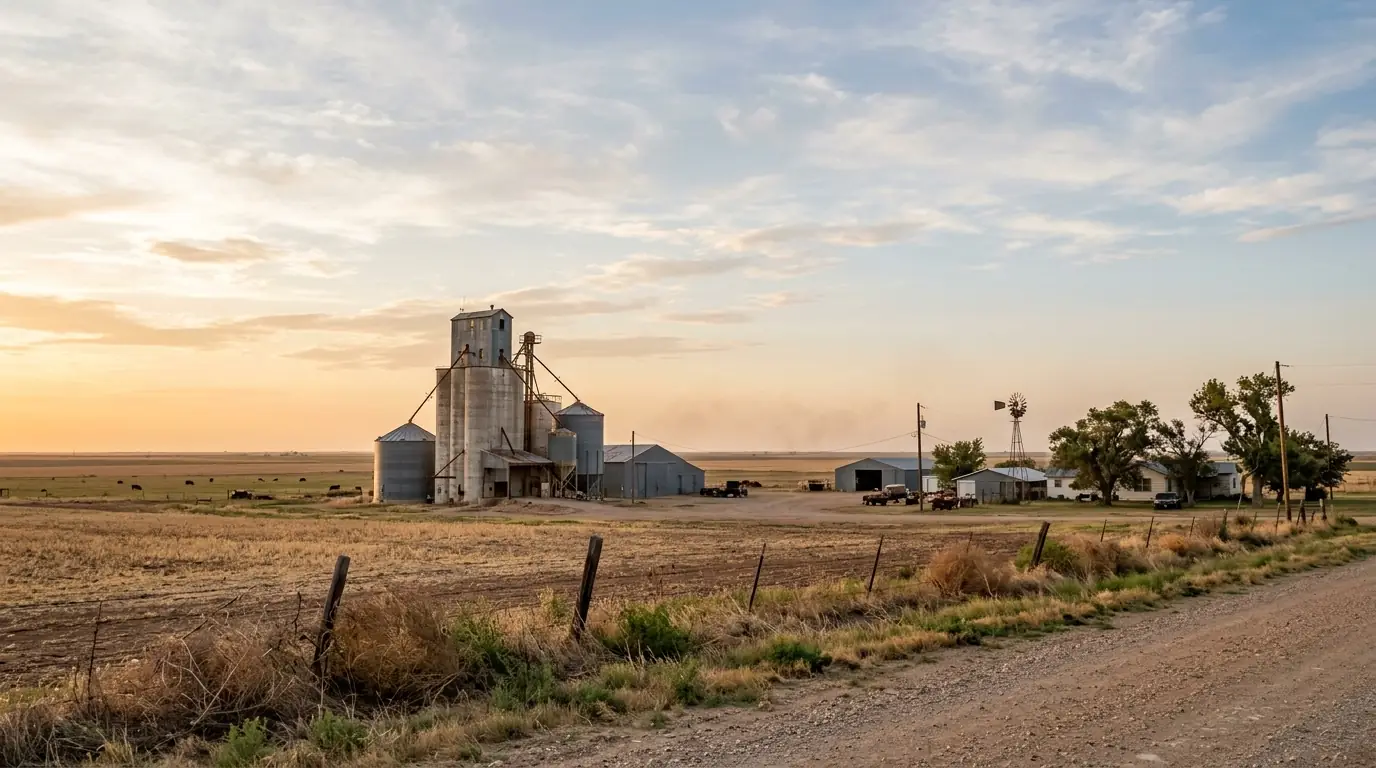
Deaf Smith County is cattle and grain country, and both feed a lot of birds and rodents.Pigeons, starlings and sparrows foul barns and equipment sheds, and rats dig under outbuildings. We drive out about 48 miles on US-60 from Amarillo.
County seat: HerefordPopulation 18,583
How do you control birds and rodents around Deaf Smith County farms and homes?
Birds and rodents in Deaf Smith County follow spilled feed and grain. For pigeons, starlings and house sparrows, which Texas law leaves unprotected, we remove nests and add netting, spikes or vent covers. For rats and mice, we set tamper-resistant bait stations along outbuildings, trap inside the home and seal entry points. Other birds are protected, so we use deterrents only.
Why feed and grain bring birds and rats across Deaf Smith County
Deaf Smith County has about 18,583 people, and most live in Hereford, the county seat, which calls itself the Beef Capital of the World for its feedyards. Homes across the county share the 79045 ZIP. Feedyards and grain operations mean spilled feed and open water, and that supports far more birds and rodents than you'd find on dry rangeland.
Pigeons, European starlings and house sparrows gather wherever grain spills. They roost on barn rafters, equipment sheds and porch beams, and their droppings pile up fast, corrode metal and stain siding. Starlings and sparrows stuff nests into soffit vents, light fixtures and dryer vents on houses. Old nests matter too, because carpet beetles often start in bird nests and later wander into closets and rugs.
Norway rats are common around feed stores and chicken houses and burrow under slabs and outbuildings. House mice ride in on hay and feed sacks. On a farmstead, rodent pressure on the house depends a lot on how clean the barn and feed storage are, so we look at both every time.
What Texas law allows for nuisance birds on your property
Texas Parks and Wildlife Code section 64.002 leaves pigeons (rock doves), house sparrows and European starlings unprotected, so their nests and eggs may be removed. Most other birds are protected, including the swallows that build mud nests under eaves and the owls and hawks that hunt rodents around barns. For those, we use deterrents and timing rather than removal.
That changes how a job goes. On a barn full of pigeons, we can clear out nests and close off roosting ledges with netting or spikes. On a porch where a protected species nests, the work is making the spot unattractive before next season. We'll tell you which birds you have before anything is touched.
Pest problem in Deaf Smith County?
Call and describe it. The phone is answered 24 hours a day.
Signs birds or rats have settled on your Deaf Smith County property
These show up first around barns, sheds and the roofline.
White streaks below rafters
Droppings on equipment, feed bunks or porch rails mark the roost directly above.
Straw sticking out of vents
Sparrows and starlings pack grass and feathers into dryer, bath and soffit vents, which can block airflow.
Burrows along slab edges
Rat burrows with smooth, packed entrances show up along foundations, feed rooms and under sheds.
Gnawed sacks and bins
Chew marks on feed sacks, plastic bins and door bottoms mean rodents are feeding every night.
Dark rub marks on walls
Rats leave greasy smudges along the paths they travel most, often at the base of walls and around pipes.
Small beetles near old nests
Carpet beetle larvae in attics, light fixtures or closets can trace back to an old bird nest nearby.
How a farm and home visit works in Deaf Smith County
We look at the whole property, since the barn feeds the house.
Map roosts and runways
We walk the barn, sheds, feed storage and the house exterior to find where birds roost and where rats burrow and travel.
Bird exclusion and nest removal
For unprotected species, we clear nests and fit netting, spikes or screens on ledges. Dryer, bath and soffit vents on the house get bird-proof covers.
Rodent stations and traps
Tamper-resistant bait stations go along outbuilding walls and fence lines. Traps inside the house target mice in the kitchen and garage.
Seal the house
Gaps at utility lines, garage doors and foundation vents get closed so rodents from the barn don't move indoors.
Sanitation notes
We point out spilled feed, open bins and water sources that keep pressure high, since control only lasts if the food supply drops.
Pest control services for Deaf Smith County
Bird Control
Pigeons on a roofline, sparrows nesting in a sign and starlings packed into a vent leave droppings, noise and blocked airflow.
Rodent Control
Droppings in a kitchen drawer or scratching in the attic at night usually mean house mice, and gnawed feed sacks in a barn often...
Rodent Exclusion & Sealing
Trapping clears the mice inside, but every gap a quarter inch or wider is an open door for the next ones.
Commercial Pest Control
A mouse in a stockroom, roaches in a break room or birds over a loading dock can cost a business customers and a clean...
Carpet Beetle Control
Bald patches in a wool rug, holes in a stored sweater or bristly larvae under the bed point to carpet beetles feeding somewhere quiet.
Dead Animal Removal
A sweet, rotten smell that gets worse every day usually means an animal died in a wall, attic or crawlspace.
Pest control questions from Deaf Smith County
Can you remove pigeons from a barn in Deaf Smith County?
Yes. Pigeons, house sparrows and European starlings are unprotected under Texas law, so we can remove their nests and eggs and close off roosts with netting, spikes or exclusion. If other bird species are nesting, we switch to deterrents and timing instead. We'll explain which approach fits your barn after seeing it.
How far into Deaf Smith County do you travel from Amarillo?
Hereford is about 48 miles southwest of Amarillo on US-60, and we serve homes and farms in town and around it. We don't promise arrival times for out-of-town visits, but we answer 24/7 and set a visit when you call. Pairing farm work with house service saves a second trip.
Why do rats keep coming back to my Deaf Smith County farmstead?
Rats return when food and shelter stay available. Spilled grain, open feed and burrows under sheds keep a colony going even after some are trapped. We pair bait stations and traps with cleanup advice and sealing, so the house stops being the next stop for rats that leave the barn.