Pest control across Swisher County, TX
Swisher County is farm, grain and cattle country, and the barns, feed rooms and pens spread across it keep rats, mice and flies well supplied.We drive south on I-27 to farmsteads and rural homes countywide, and we answer the phone 24/7.
County seat: TuliaPopulation 6,971
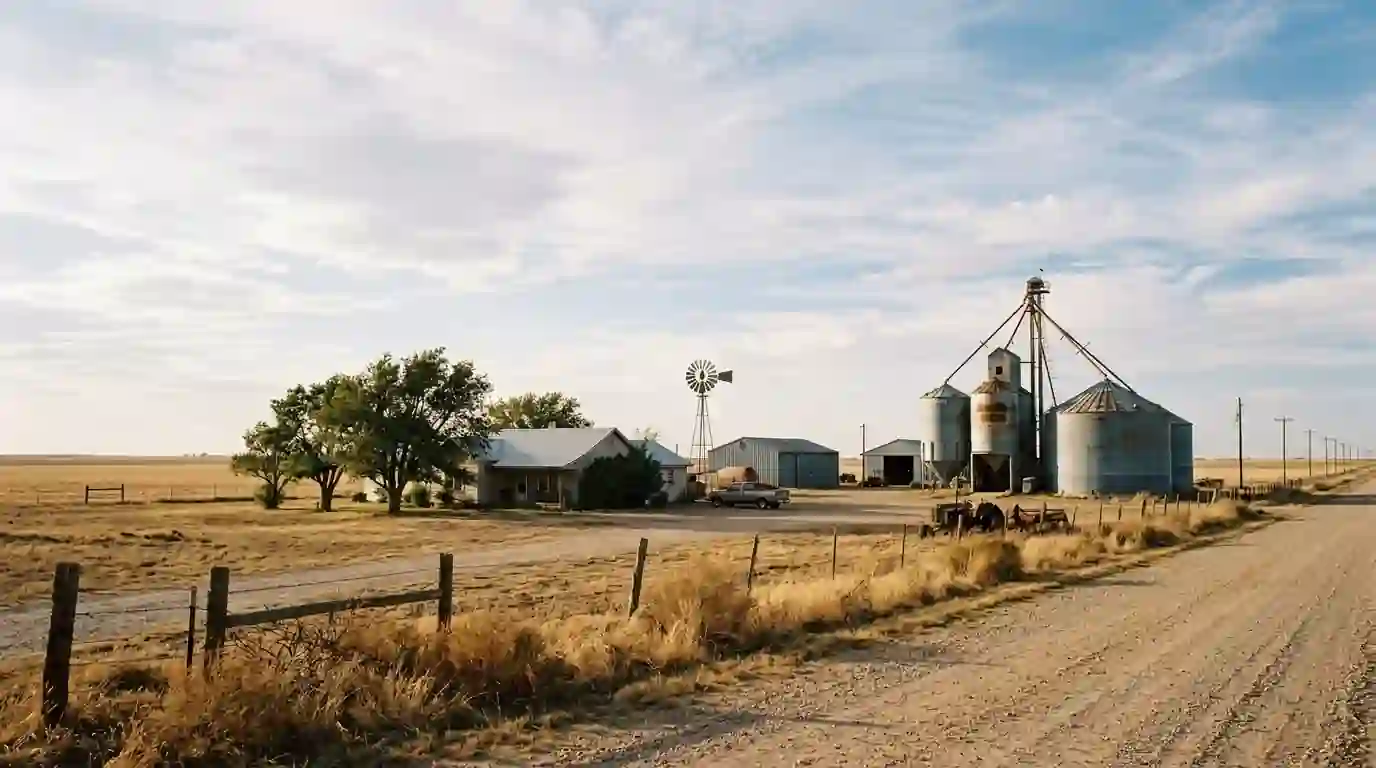
How do you control rodents and flies on a Swisher County farmstead?
On a Swisher County farmstead, rodent and fly control both start with the feed. We find where grain spills and wet manure collect, set tamper-resistant bait stations and traps around barns, bins and the house, and seal the home so mice can't slip indoors when the cold arrives. For flies, sanitation comes first, then baits and residual sprays on the surfaces where they rest.
Grain bins, cattle pens and record cold across Swisher County
Swisher County has about 6,971 people spread through farm, grain and cattle country south of Amarillo. Tulia is the county seat, and Happy sits on the Swisher and Randall line along I-27. Around those towns are farmsteads, grain bins, equipment sheds and pens, where most of our county work happens. Homes near Tulia use 79088, homes near Happy use 79042, and we reach both by I-27.
Tulia set the state's all-time cold mark in 1899, when the thermometer fell to minus 23 degrees F. Most winters are far milder, but Panhandle fronts can still knock temperatures down 50 to 60 degrees in 12 hours. Mice and rats living in grain storage and fence rows then go looking for heated buildings, and a farmhouse beside the bins feels it first.
Feed and manure drive the summer side. House flies breed in moist manure, spilled grain and wet feed, and a new generation can mature within a week to ten days of warm weather. Stable flies develop in soggy hay that has been mixed with manure, bite livestock on the legs, and were active by late April in Texas A&M reports.
Barn and feed room clues that rats or flies are building up
Check for these on your regular rounds.
Burrows along a bin pad
Holes with loose dirt along a barn floor or grain bin pad mean Norway rats are living on site, not just passing through.
Grease marks on beams
Dark rub lines along rafters, walls and pipes show the routes rodents travel every night.
Chewed feed sacks
Gnawed corners on sacks of feed, seed or mineral, with grain scattered on the floor, point to mice or rats feeding.
Flies stacked on pen rails
Heavy fly numbers on rails, walls and the shady side of buildings mean breeding material is close by.
Cattle stamping and bunching
Animals crowding together and stamping in late spring or summer is a sign stable flies are biting.
Droppings in the farmhouse pantry
Rice-sized droppings in the pantry or under the sink after a cold snap show mice have moved from the barn to the house.
Pest problem in Swisher County?
Call and describe it. The phone is answered 24 hours a day.
What a farmstead visit covers, from the house out to the pens
We treat the property as one system, since rodents and flies move between buildings.
Find feed and breeding sources
Our technician walks bins, feed rooms, pens and manure piles to see where grain spills and wet material build up. Those spots decide where control goes.
Set the rodent perimeter
Tamper-resistant bait stations go along barn walls, bin pads and fence lines, with snap traps inside feed rooms and shops. Stations sit where livestock, dogs and kids can't reach the bait.
Bait flies and treat resting surfaces
Fly baits go where flies gather, and a residual spray covers the walls and ceilings where they rest. Traps help, but only alongside cleanup.
Seal the farmhouse
We close gaps at pipes, vents, weep holes and doors on the home so barn mice can't move in when a front hits.
Return on a schedule
Rodent activity and fly pressure both shift with the season, so we check and refill stations on later visits.
Why cleanup beats spraying for Swisher County flies
A fly spray kills adults, but a single pile of wet manure can turn out a fresh generation in about a week. Texas A&M AgriLife puts sanitation first: remove or spread breeding material at least twice a week and let it dry. Soaked hay mixed with manure under a feeder or along a fence is a favorite stable fly nursery, and so is a heap of spilled grain that got rained on.
A house fly is able to cover around 20 miles, yet most never get farther than a mile or two from the pile they came from. So the house closest to the pens gets most of them. Once the worst breeding spots are under control, baits and a residual treatment on resting surfaces knock down what remains, and good screens and tight doors keep them out of the kitchen.
Pest control services for Swisher County
Rodent Control
Droppings in a kitchen drawer or scratching in the attic at night usually mean house mice, and gnawed feed sacks in a barn often...
Fly Control
Flies circling the kitchen, crowding a back door or hovering over a sink drain are breeding somewhere close by, usually within a mile or...
Rodent Exclusion & Sealing
Trapping clears the mice inside, but every gap a quarter inch or wider is an open door for the next ones.
Bird Control
Pigeons on a roofline, sparrows nesting in a sign and starlings packed into a vent leave droppings, noise and blocked airflow.
Pantry Pest Control
Small moths fluttering out of the cabinet or tiny brown beetles in the flour usually mean one infested package has seeded the whole pantry.
Home Pest Control
Spiders in the garage, crickets at the back door and a mouse behind the stove are everyday problems in Amarillo houses.
Pest control questions from Swisher County
Do you work farmsteads across Swisher County or only homes in Tulia?
We cover the whole county. Farmhouses, barns, shops and grain storage between Tulia and Happy are a big part of our work here. We come down I-27 from Amarillo, and rural trips get planned when you call. We can't give an exact arrival time that far out, but we can often make it the same day.
How can I cut down flies around cattle pens in Swisher County?
Start with the breeding material. Clean out or spread wet manure and soaked hay at least twice a week and keep spilled grain picked up, since house flies can mature in 7 to 10 days. Once the sources are handled, baits and residual sprays on walls and rails take care of what's left. Traps alone won't keep up.
Why do rats keep returning to grain storage in Swisher County?
Grain is a steady food supply, and Norway rats burrow under bin pads, slabs and outbuildings close to it. Killing a few doesn't help much if the burrows and spilled grain stay. We set bait stations along the pads, trap inside feed rooms, close burrows and recommend cleaning up spills so the site stops drawing new rats.