Brown recluse spiders in closets and garages: a Panhandle guide
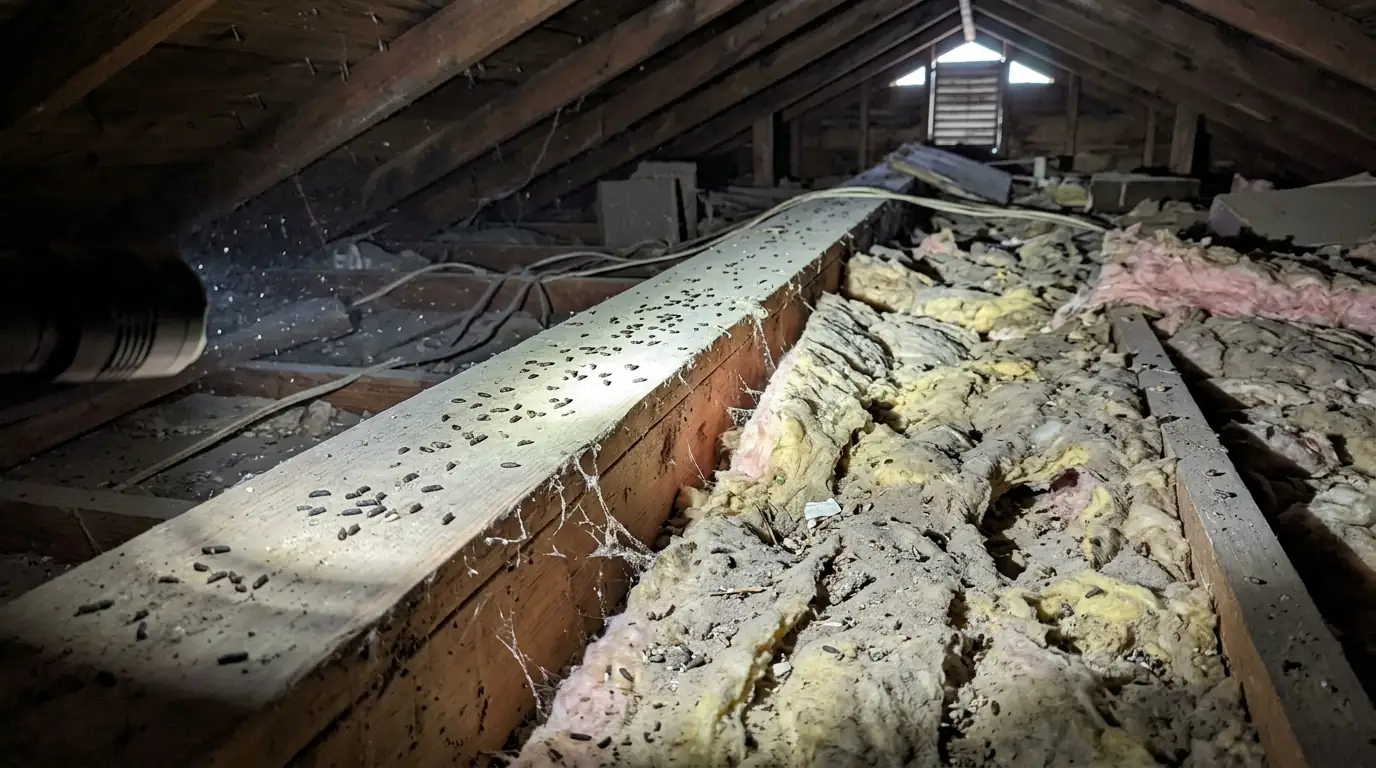
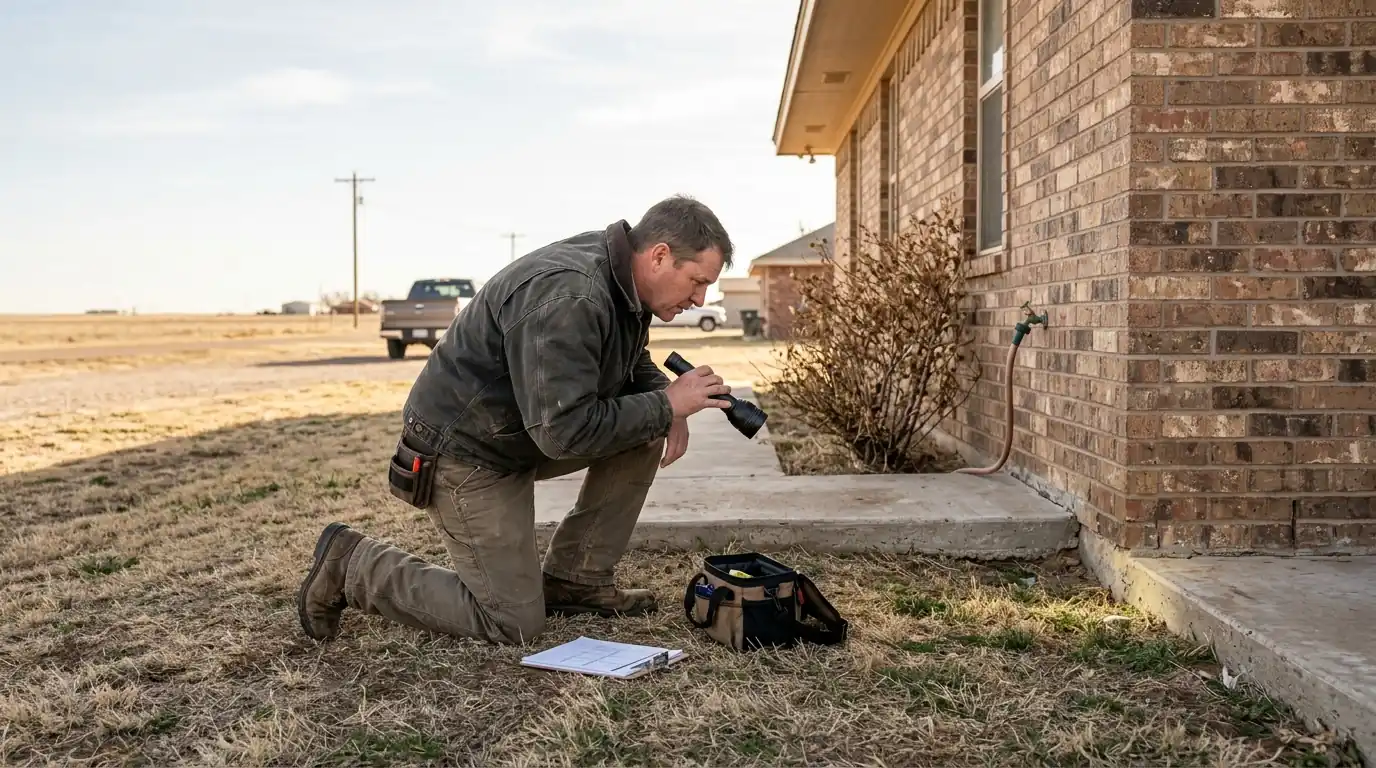
Brown recluse spiders don't build big webs or sit in plain view.They live in the places we visit least: the back of the closet, the box of winter clothes, the shelf in the garage. Amarillo pest companies have reported more recluse calls in recent years. This guide covers how they settle in, how to find them and what the bite facts actually say.
By Dolores Lankford, Pest Advice EditorPublished May 12, 2026Updated October 16, 2026
Why brown recluse spiders like closets and stored boxes
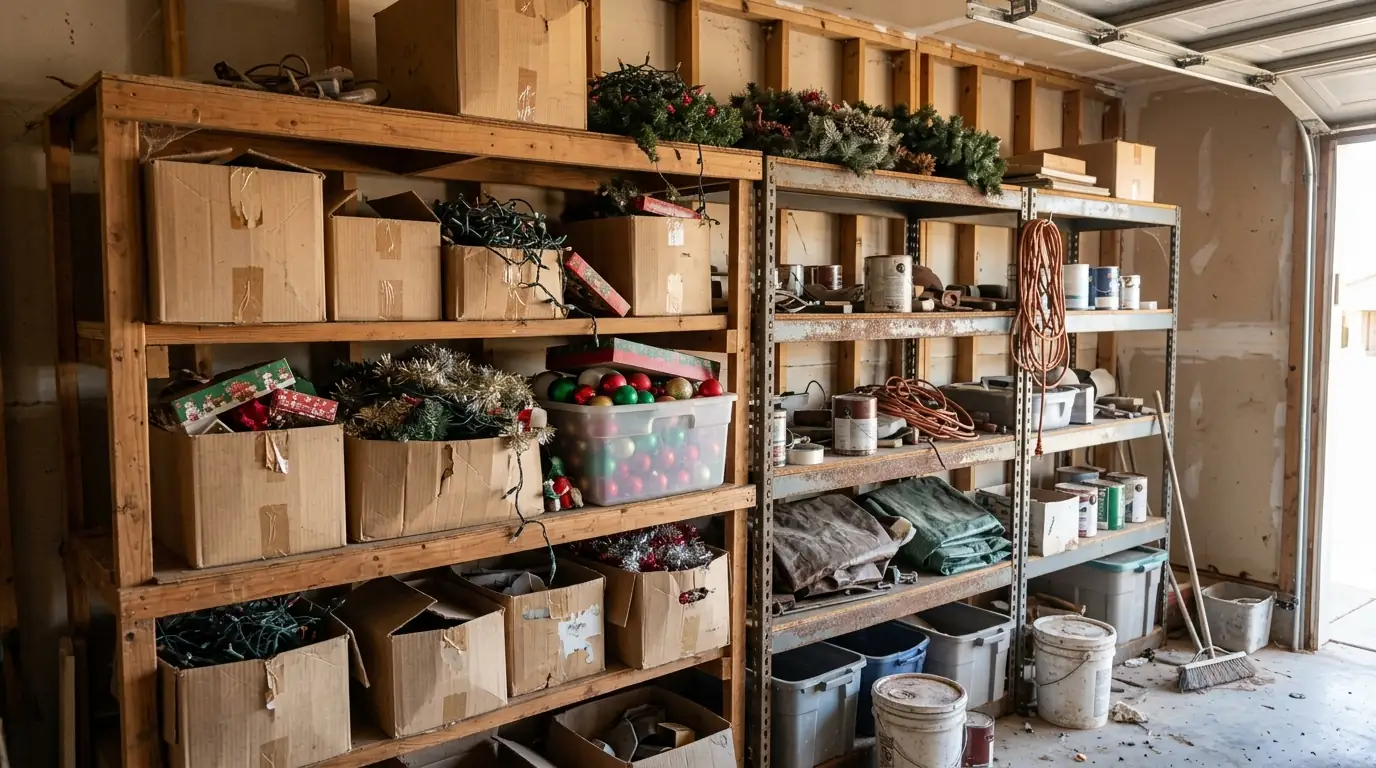
The brown recluse (Loxosceles reclusa) lives indoors and outdoors throughout Texas. Its name describes its habits well: it hides during the day and hunts at night, and it prefers spots that stay dark and undisturbed for weeks at a time. Texas A&M AgriLife lists closets, stored clothing and boxes, garages and the space behind baseboards as typical places to find them.
A closet that holds off-season coats, a stack of shoe boxes or a pile of bags on the floor checks every box for a recluse. So does a spare bedroom used for storage, a hall closet full of linens nobody touches, or the space under a bed packed with plastic tubs. Cardboard is a favorite because it has folds, corners and crevices, and it stays put.
Mating season runs from about April to July, which is when people tend to notice more of them. Males wander farther looking for females, and that roaming brings them into rooms, shoes and bedding.
Garage habits that give recluses a place to live
In many Amarillo homes the garage is where storage goes to sit. Holiday decorations, camping gear, paint cans, boxes from the last move, a stack of lumber against the wall. Each of those is a hiding place, and the garage connects directly to the house through the laundry room or kitchen door.
Our technicians often find recluses in the same garage spots: behind shelving units pushed against the wall, inside rolled-up rugs and tarps, in boxes sitting directly on the slab, inside work gloves and boots left on the floor, and along the bottom edge of the overhead door. Garages that rarely get swept build up dead insects, which is a food supply for spiders.
Changing a few habits makes a garage much less inviting. Store items in sealed plastic tubs with tight lids instead of cardboard. Get boxes off the floor onto metal shelving pulled a few inches away from the wall. Hang tools and gloves instead of leaving them on the workbench. Sweep the corners and along the walls every month or so.
How glue boards show you where recluses are active
Glue boards are one of the most useful tools for a recluse problem, partly because they show you how many spiders you have and where. Place flat glue boards along walls, since spiders travel along edges rather than across open floor. Good spots are the back corners of closets, behind the washer and dryer, along the garage walls, under beds and behind furniture that sits against an outside wall.
Check them every week or two and keep a simple note of which board caught what. Several recluses on boards in the same closet tells you that closet is the center of activity. Mostly males caught in spring suggests wandering during mating season. Young spiders on the boards mean there is breeding nearby. Replace boards when they get dusty or full, because a dirty board stops catching.
Keep boards out of reach of kids and pets, or tuck them under furniture where only a spider will cross them.
What the bite facts really say
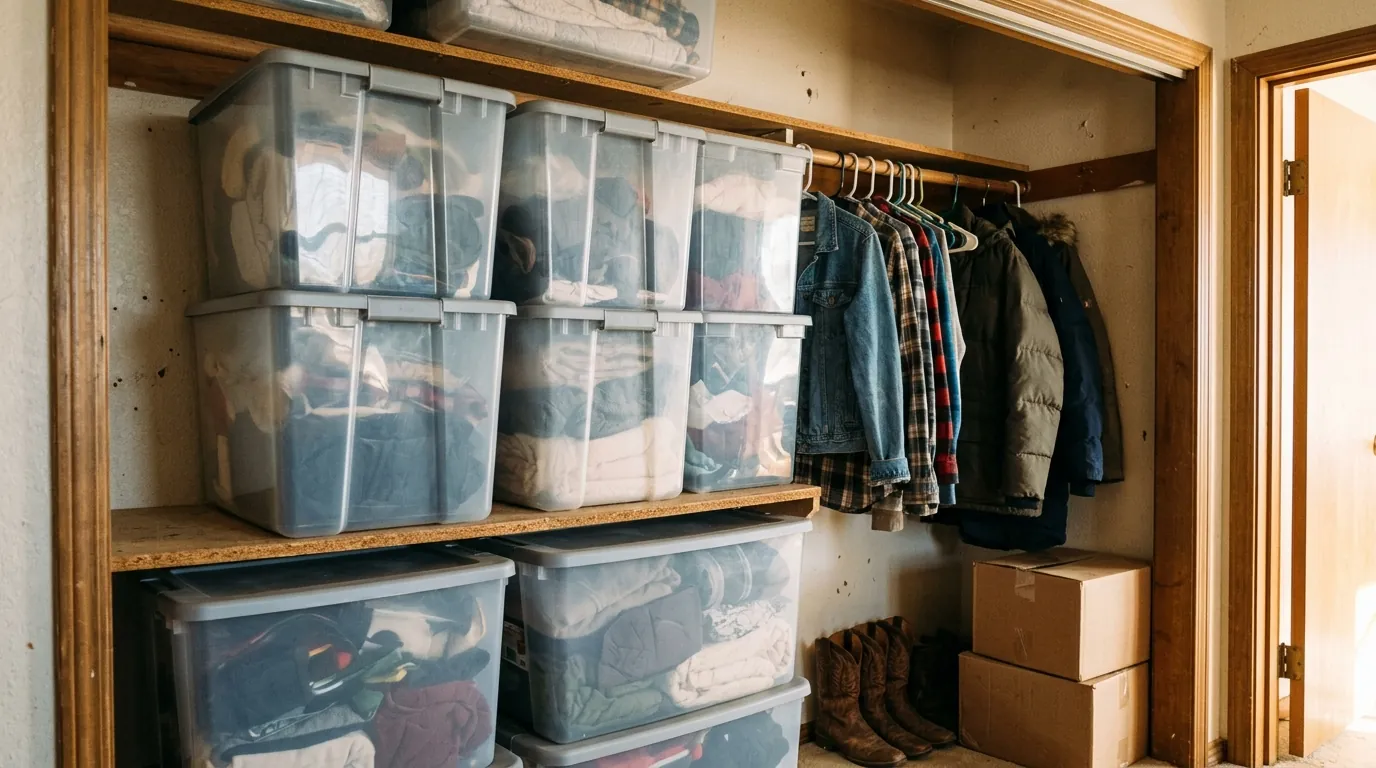
Recluse bites get a lot of attention, and some of it is overblown. The Texas Panhandle Poison Center has said that only about 10 percent of brown recluse bites cause tissue damage. Most bites heal on their own with a red, irritated spot and no lasting harm.
Bites usually happen when a spider gets pressed against skin: putting on a shirt that hung in the closet for months, pulling on a work glove, rolling over onto a spider that wandered into bedding. The bite itself is often not painful at first, so people may not notice until hours later.
If you think you've been bitten, wash the area, apply a cool compress and call the poison center or your doctor for advice, especially if the bite spot darkens, grows or the person feels ill. If you can safely catch the spider in a jar, keep it for identification. Many spots blamed on recluses turn out to be something else, so a confirmed spider helps everyone.
What to do this week in your closets and garage
These steps lower the odds of a bite and make any treatment work better:
- Shake out clothes, shoes and towels that have been sitting unused before you put them on.
- Move stored items out of cardboard and into plastic tubs with tight-fitting lids.
- Pull beds a few inches away from walls and keep bedding from touching the floor.
- Clear the floor of the closets you use least, and vacuum corners, baseboards and under shelves.
- Lay out glue boards along walls in closets, the laundry room and the garage, and note what they catch.
- Shake out gloves and boots in the garage and hang them up instead of leaving them on the floor.
- Seal gaps around the garage door bottom seal and the door into the house.
What a recluse treatment visit looks like
On a recluse visit, our technician starts by asking where you've seen spiders and checking any glue boards you've put out. Then they inspect the closets, laundry room, garage, attic access and any storage rooms, looking for live spiders, shed skins and the loose, irregular webs recluses leave in corners.
Treatment focuses on the places spiders hide rather than open floors. That usually means a residual product along baseboards, behind furniture and in closet corners, a dust in wall voids, outlets on exterior walls and the attic, and a crack and crevice treatment along the garage walls and door frames. Fresh glue boards go down in the spots that matter so we can track progress. Because recluses are hard to clear in one pass, most homes need a follow-up visit. We explain re-entry times and keep children and pets in mind when choosing placements. Call (806) 552-3060 if you are seeing them; we answer around the clock.
Dolores Lankford, Pest Advice Editor, edits the Pest Advice section for Pestcon, Inc.. Articles are checked against Texas A&M AgriLife, Texas Parks and Wildlife, Texas DSHS, NWS Amarillo and City of Amarillo guidance.
Questions about this article
Should I throw out the cardboard boxes in the garage where I found a brown recluse?
You don't have to throw everything away, but it helps to empty those boxes outdoors in daylight, wearing gloves, and repack the contents into sealed plastic tubs. Break down the empty cardboard and get it out of the garage. Cardboard gives recluses folds and corners to hide in and stays undisturbed for months, so cutting back on it removes a lot of habitat in one afternoon.
How many brown recluse spiders on glue boards means I have an infestation?
There is no single number, but a pattern matters more than a count. One spider caught in May in a garage may just be a wandering male. Several caught over a few weeks in the same closet, or young spiders along with adults, points to an established group living nearby. If boards keep catching spiders after you've cleared clutter and sealed gaps, it's time for a treatment.
Can brown recluse spiders live in a bedroom closet we use every day?
They can, but they're less likely to settle there than in a closet nobody opens. Daily use disturbs hiding spots, so recluses tend to stay in the back corners, in stored bags and boxes on the floor, or in clothing that hangs untouched for a season. Keeping the floor clear and moving off-season clothes into sealed bags takes away most of what draws them into a working closet.
Services that go with this article
Brown Recluse Control
Brown recluses hide in closets, garages and stored boxes, and most people only notice them when one turns up in a shoe or a...
Spider Control
Webs under the eaves, wolf spiders in the garage and black widows in the meter box are all part of life in the Panhandle.
Home Pest Control
Spiders in the garage, crickets at the back door and a mouse behind the stove are everyday problems in Amarillo houses.
Quarterly Pest Control Plans
Panhandle pests arrive in waves: moths in spring, scorpions in summer, crickets in late summer and mice when the first freeze hits.