Mouse-proofing before the first freeze: a weekend plan for Amarillo homes
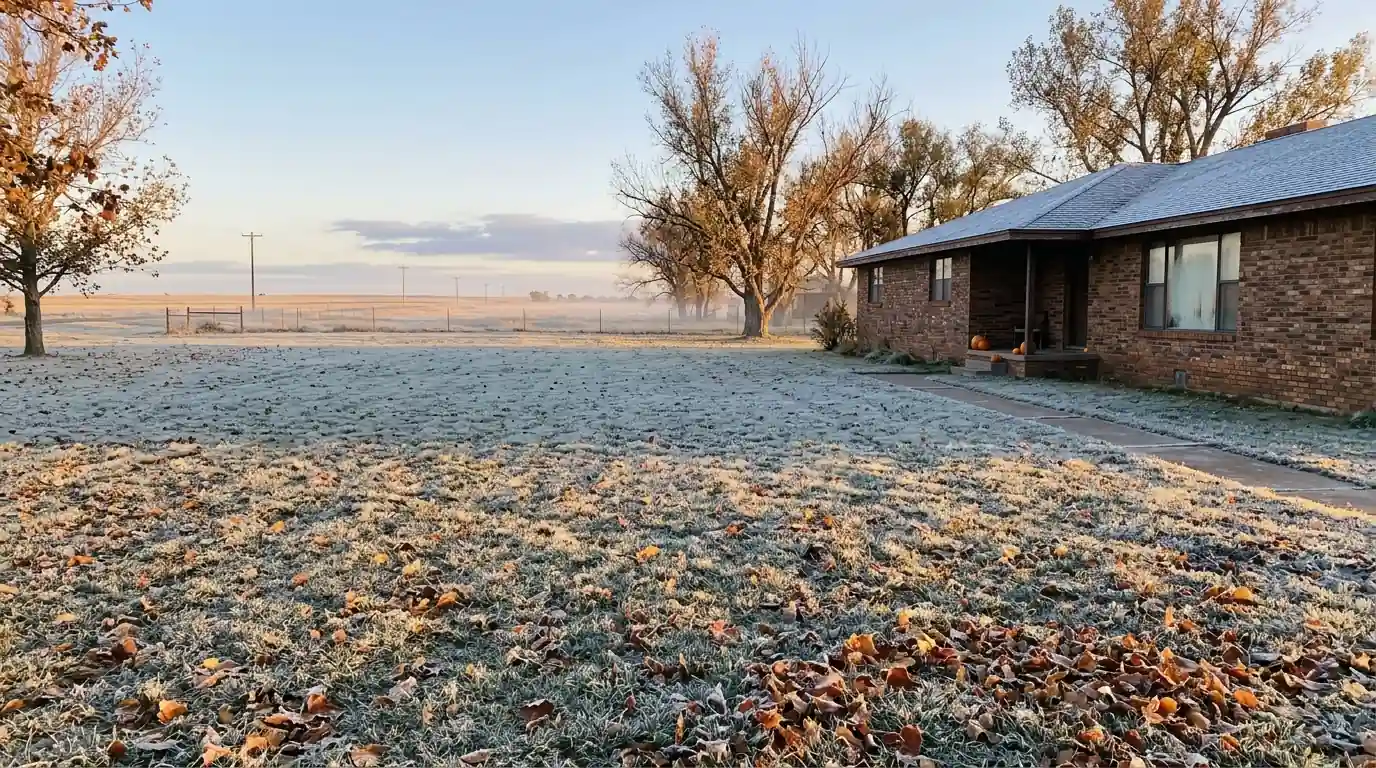
In Amarillo the first fall freeze usually arrives around October 20, and a cold front can drop temperatures 50 or 60 degrees in half a day.House mice notice before we do. The weeks before that first hard night are the best time to close the gaps they use, because a mouse kept out in October is far easier than a family of them in January.
By Dolores Lankford, Pest Advice EditorPublished October 1, 2026Updated October 16, 2026
Why the first freeze is the deadline that matters
The National Weather Service puts Amarillo's average first fall freeze at about October 20. That is an average, so some years it comes earlier, and the fronts that bring it can arrive with very little warning. When nights turn cold, house mice that spent the summer in fence lines, sheds, weeds and garages start looking for steady warmth and food, and your house has both.
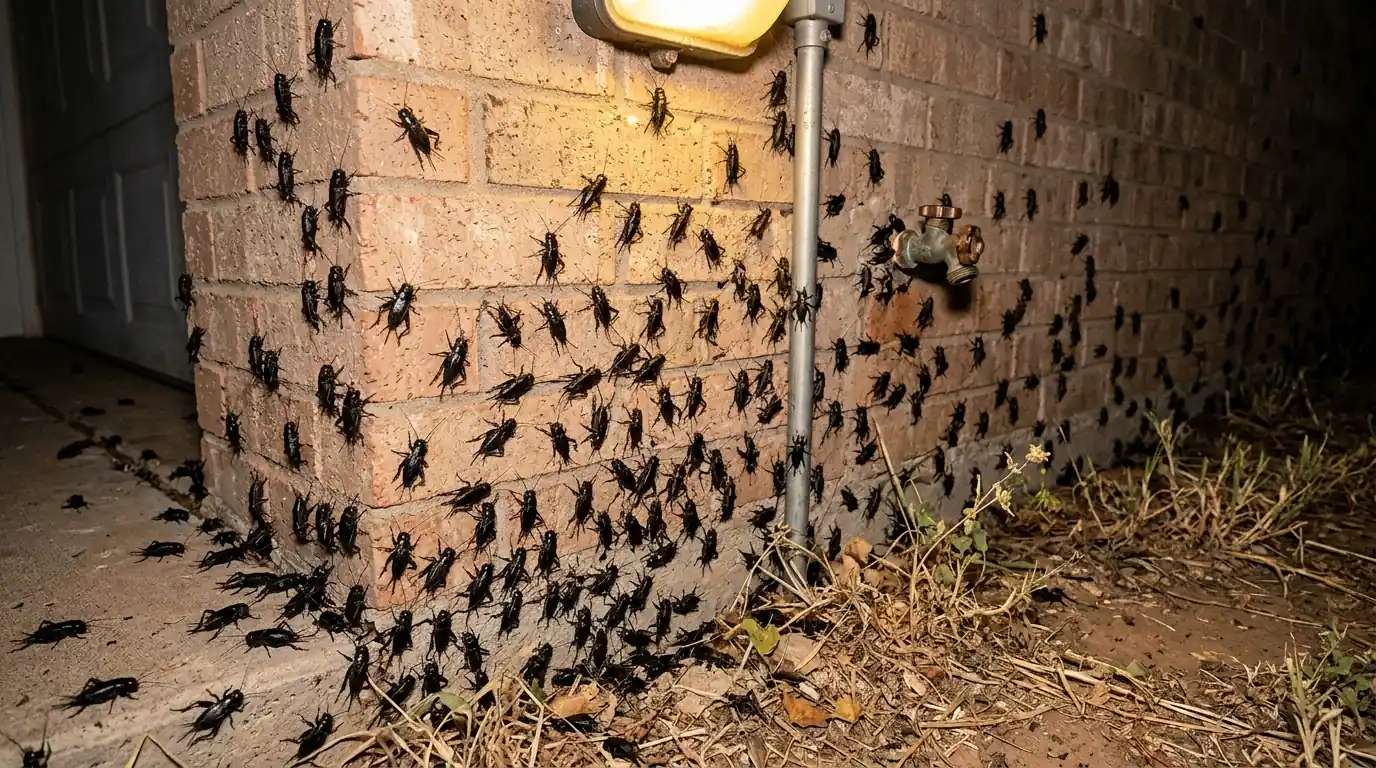
House mice breed quickly. A female can have many litters in a year, so one pregnant mouse that gets in during late October can turn into a real problem by the holidays. Sealing early is cheaper and simpler than trapping later, and it also keeps out the spiders, scorpions and cockroaches that a 2023 Amarillo TV report described moving indoors as the weather cooled.
Doing the work on a mild weekend in early October also means caulk cures properly and you aren't kneeling on frozen ground.
The quarter-inch rule and how to check for it
A house mouse can squeeze through a gap about a quarter inch wide, roughly the size of a dime. If the tip of a pencil or your little finger fits into a crack, assume a mouse can fit too. That rule changes how you look at the outside of a house: the gaps that matter are much smaller than most people expect.
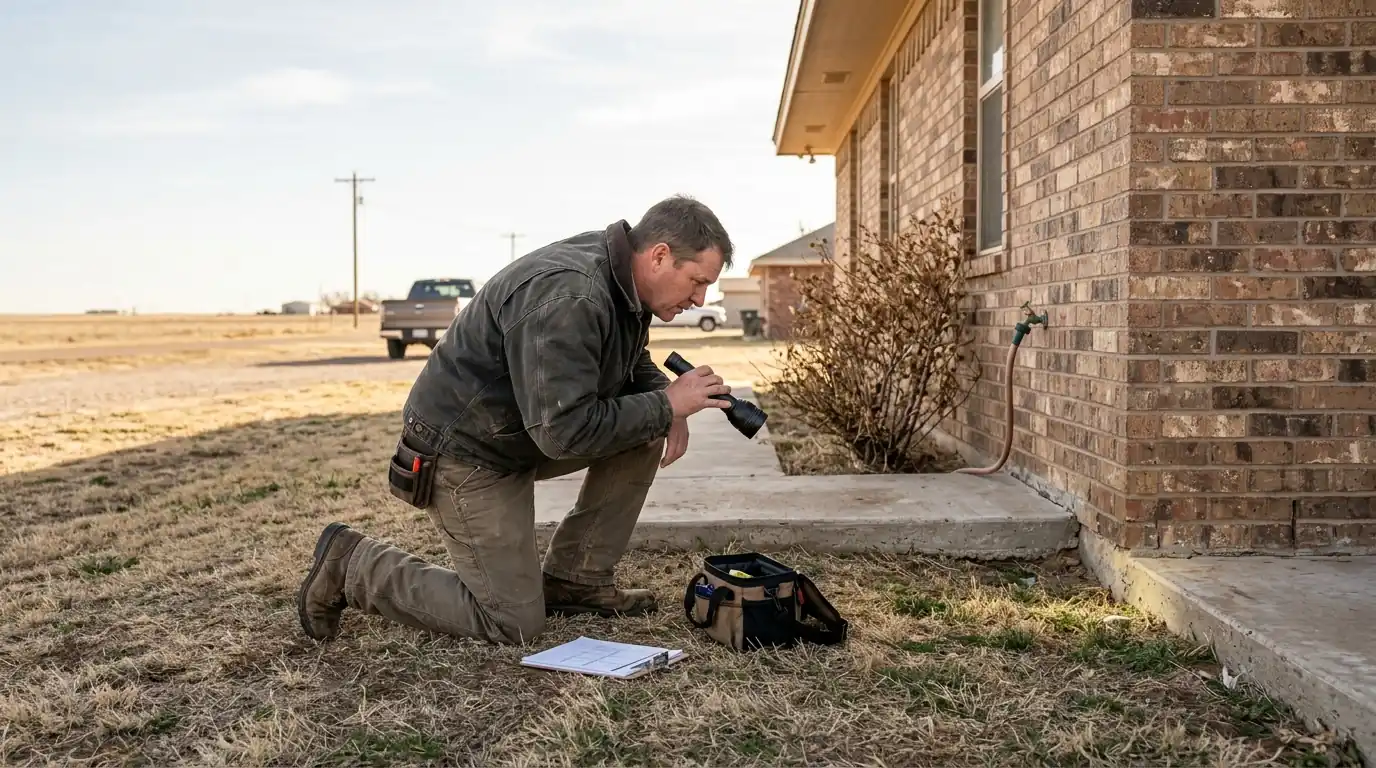
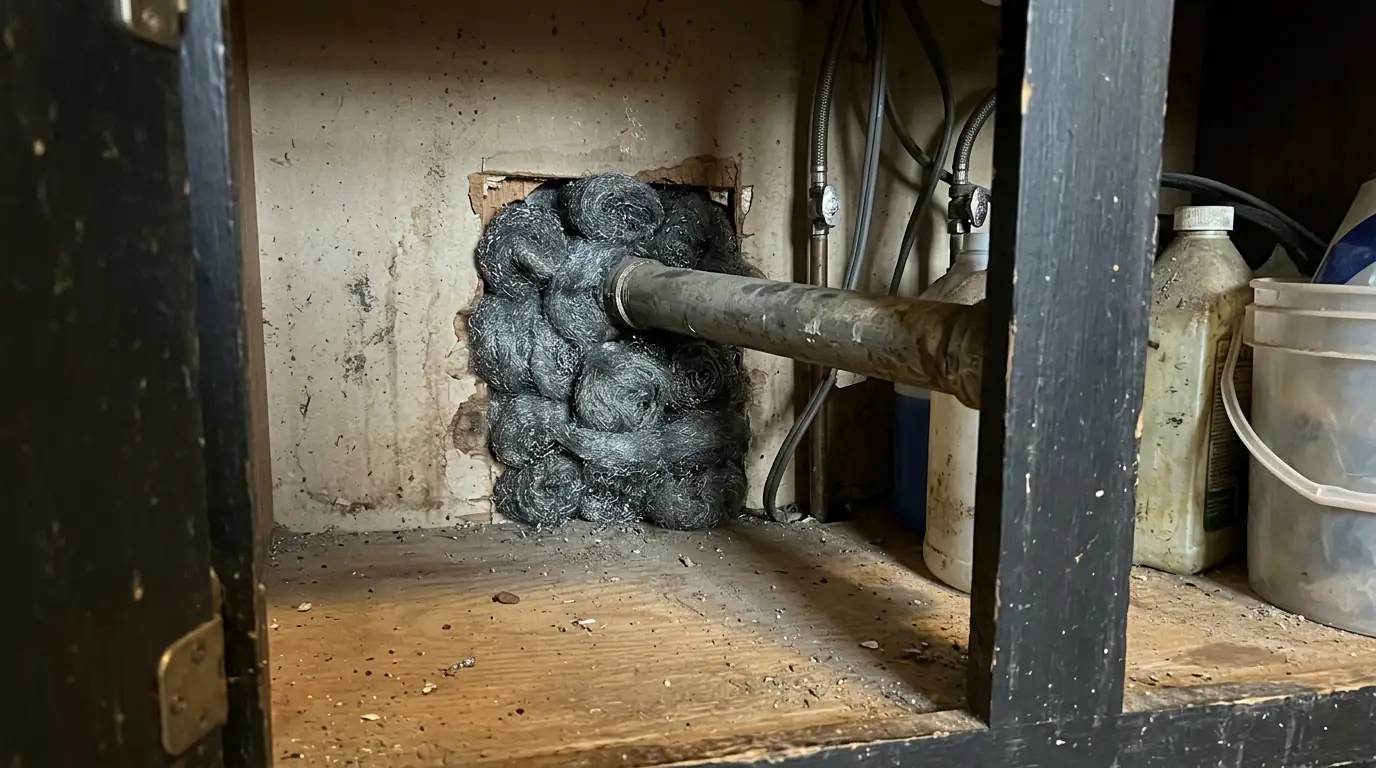
A simple test is to carry a dime and a flashlight on your walk around the house. Hold the dime up to any gap around pipes, vents and door frames. If it slides in, the gap needs sealing. For larger openings, plain caulk won't hold; mice chew through soft materials. Use copper or stainless steel mesh packed tight and then caulked over, hardware cloth for vent openings, or metal flashing for wide gaps at the base of siding.
Garage door seals: the biggest gap most homes have
In many Amarillo homes the overhead garage door is the widest opening on the whole house. Bottom seals dry out and crack in the sun and wind, and slabs settle unevenly over the years. A gap at one corner of the garage door can be well over a quarter inch even when the door looks closed. Pull your car out, close the door and look along the bottom edge from inside with the lights off. Any daylight is a doorway.
Replacing the bottom seal is a common weekend job, and many hardware stores sell kits by door width. Check the side and top weatherstripping as well, especially where it meets the slab at the corners. While you're in the garage, look at the door between the garage and the house. It should have a sweep that touches the threshold, because a mouse that gets into the garage will try that door next.
Pet food, birdseed and grass seed stored in the garage are a draw on their own. Move them into metal or heavy plastic bins with tight lids.
A weekend checklist for keeping mice out
Plan on most of a Saturday for a typical brick ranch home. Work around the outside first, then the garage, then inside:
- Walk the foundation with a flashlight and a dime, checking around pipes, AC line sets, dryer vents and hose bibs.
- Pack gaps with steel or copper mesh, then seal over with exterior caulk.
- Check foundation and attic vent screens for tears, and patch with hardware cloth.
- Fit weep holes in brick veneer with vented mesh inserts rather than filling them solid.
- Replace the garage door bottom seal and check the side seals at the slab.
- Add or replace the sweep on the door from the garage into the house.
- Move firewood, lumber and stored items at least a foot away from exterior walls.
- Store pet food, birdseed and grass seed in sealed metal or heavy plastic containers.
- Inside, check under sinks and behind the stove and dryer for gaps around pipes and wires.
Signs a mouse already got in
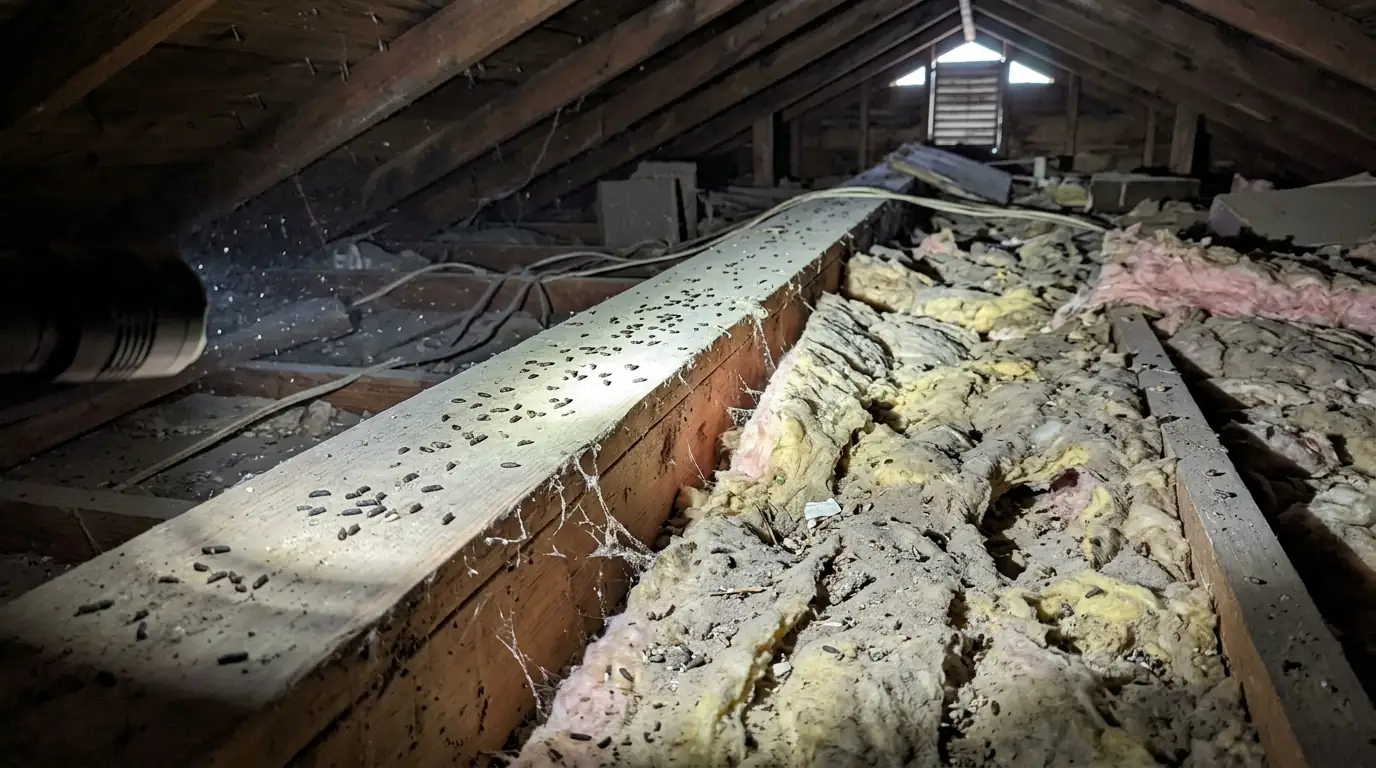
Sometimes the sealing comes too late. Look for small dark droppings about the size of a rice grain in kitchen drawers, under the sink, behind the stove and along garage walls. Chewed corners on cereal boxes or pet food bags, shredded paper or insulation tucked into a corner, and a musky smell in a closed cabinet all point to mice. Scratching in the walls or ceiling at night is another common sign.
If you find signs, don't seal every gap and walk away, because you can trap mice inside where they'll keep breeding. Set snap traps along walls where droppings are heaviest, baited with a small dab of peanut butter, and place them with the trigger end against the wall. Keep traps away from pets and kids, or set them inside a covered station. Clean up droppings with a damp paper towel and disinfectant rather than sweeping or vacuuming them dry.
Barns, sheds and acreage around town
Homes on acreage near Bushland, Canyon or the south and southwest edges of Amarillo face more pressure, because pasture and wheat ground hold mice all summer. Feed stores, chicken houses and barns also draw Norway rats, which burrow under slabs and outbuildings. If you keep animal feed, store it in metal bins and clean up spilled grain promptly.
Sheds and detached garages on these properties are often the staging ground before mice reach the house. Sealing the shed door and lifting stored items off the floor helps, but keeping mice out of the house itself is the priority.
What our technician does on a rodent exclusion visit
On an exclusion visit, our technician walks the whole outside of the house, the garage and the attic, marking every opening a mouse could use, including the ones behind shrubs and under decks that are easy to miss. Gaps get sealed with materials mice can't chew through: steel mesh, hardware cloth, metal flashing and sealant. Garage door seals and door sweeps get checked and noted.
If mice are already inside, we set traps or bait stations where activity is heaviest and come back to check them, so nothing gets sealed in. We explain where each device is and why, and keep children and pets in mind when choosing placements. If you're hearing scratching tonight, call (806) 552-3060; we answer 24/7.
Dolores Lankford, Pest Advice Editor, edits the Pest Advice section for Pestcon, Inc.. Articles are checked against Texas A&M AgriLife, Texas Parks and Wildlife, Texas DSHS, NWS Amarillo and City of Amarillo guidance.
Questions about this article
Is it too late to mouse-proof once Amarillo has had its first freeze?
No, it's still worth doing, but the order changes. Before the freeze, the goal is simply to close gaps. After it, there's a good chance some mice are already inside, so set traps first and watch them for several days. Once traps stop catching and you aren't finding fresh droppings, seal the remaining gaps. Sealing too early after mice have moved in can trap them in the walls.
Why do I hear mice in the garage every October but rarely in summer?
In summer, mice have food and shelter outdoors in fence lines, weeds and fields. As nights cool in October, they look for warmer spots, and a garage with a worn door seal, stored pet food or birdseed is often the first warm place they reach. The noise is the seasonal move indoors. Fixing the door seal and sealing the stored feed usually cuts it down quickly.
Services that go with this article
Rodent Exclusion & Sealing
Trapping clears the mice inside, but every gap a quarter inch or wider is an open door for the next ones.
Rodent Control
Droppings in a kitchen drawer or scratching in the attic at night usually mean house mice, and gnawed feed sacks in a barn often...
Home Pest Control
Spiders in the garage, crickets at the back door and a mouse behind the stove are everyday problems in Amarillo houses.
Quarterly Pest Control Plans
Panhandle pests arrive in waves: moths in spring, scorpions in summer, crickets in late summer and mice when the first freeze hits.