Termite swarms in April and May: what they mean for your home
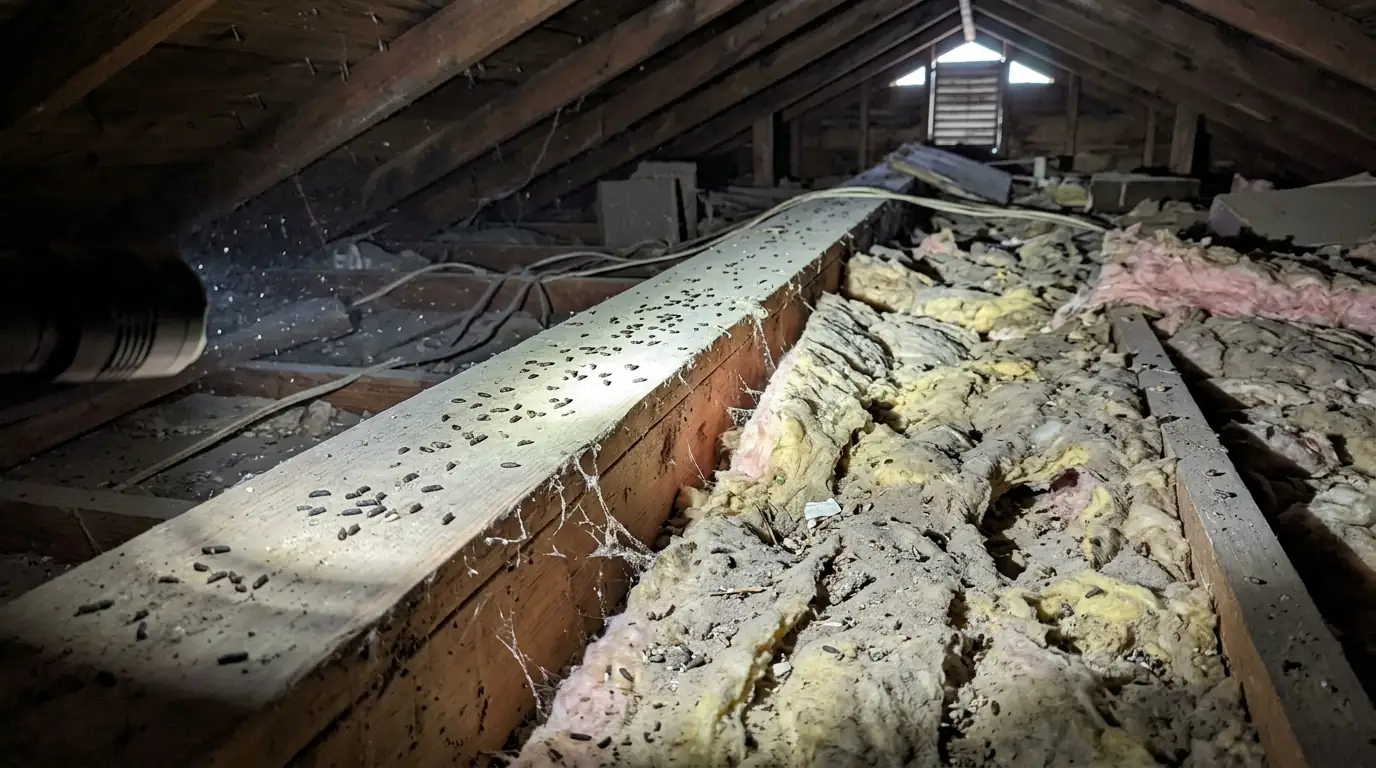
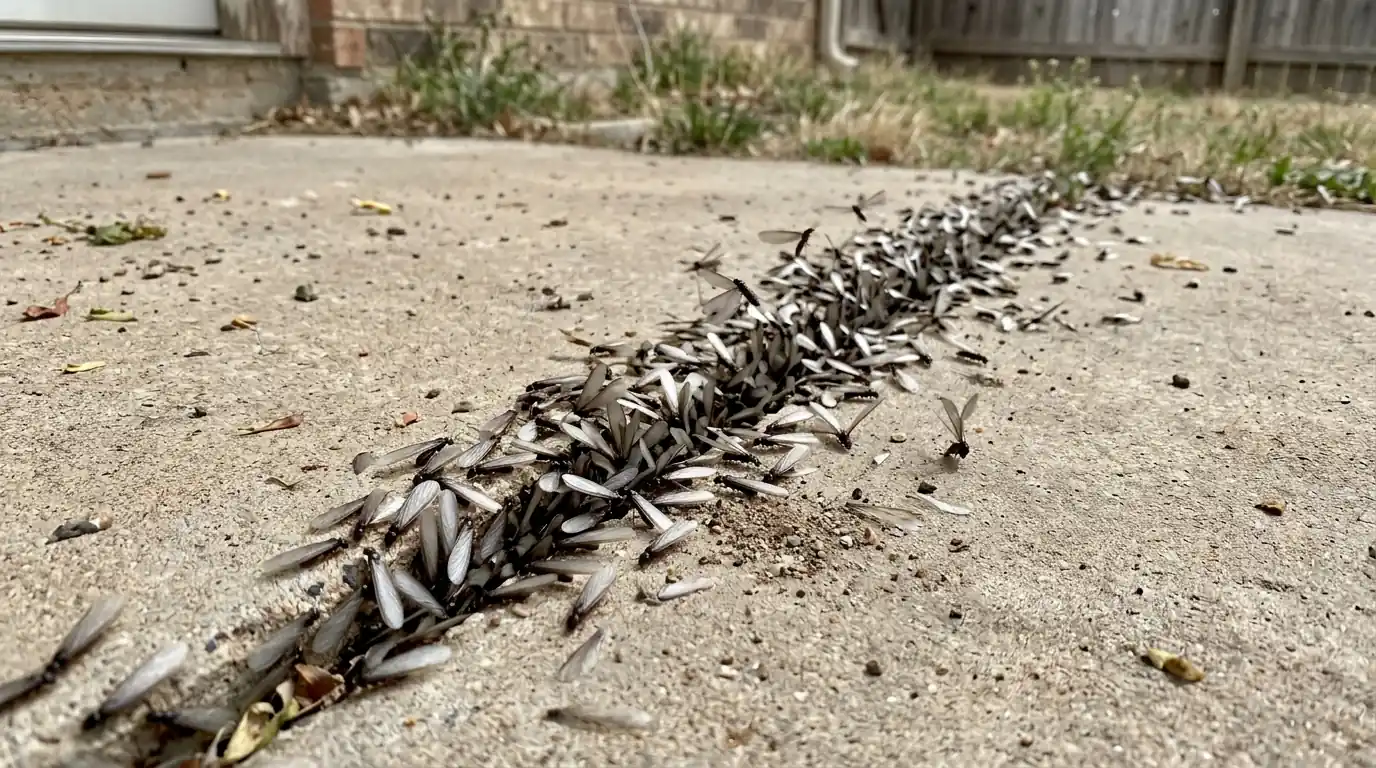
On a warm afternoon in April or May, usually after a rain, some Panhandle homeowners see a cloud of small winged insects come out of a baseboard, a window frame or a crack in the garage slab.By evening they are gone, leaving piles of wings on the windowsill. That is a termite swarm, and it is worth taking seriously the same day.
By Dolores Lankford, Pest Advice EditorPublished April 22, 2026Updated October 16, 2026
Why termites swarm in the Panhandle in spring
The termites that damage homes here are native subterranean termites (Reticulitermes). Texas A&M AgriLife confirms they live in every part of Texas, the Panhandle included. Colonies live in the soil and send workers up into wood through mud tubes. Once a colony is mature, it produces winged reproductives, called swarmers or alates, that fly out to start new colonies.
In the Panhandle that flight happens in April and May, later than in South Texas, where swarms come in January and February. Swarms usually follow a warm, calm day after rain, when the soil is moist. Swarmers are weak fliers, and most die within hours. A few pair off, drop their wings and look for damp soil and wood to start over.
A swarm outdoors near an old stump or a fence post tells you termites are in the area. A swarm inside the house tells you something more urgent: a colony is feeding in or under the structure, and the swarmers found their way out through a crack in the slab, a wall or a window frame.
Termite swarmers vs flying ants: how to tell them apart
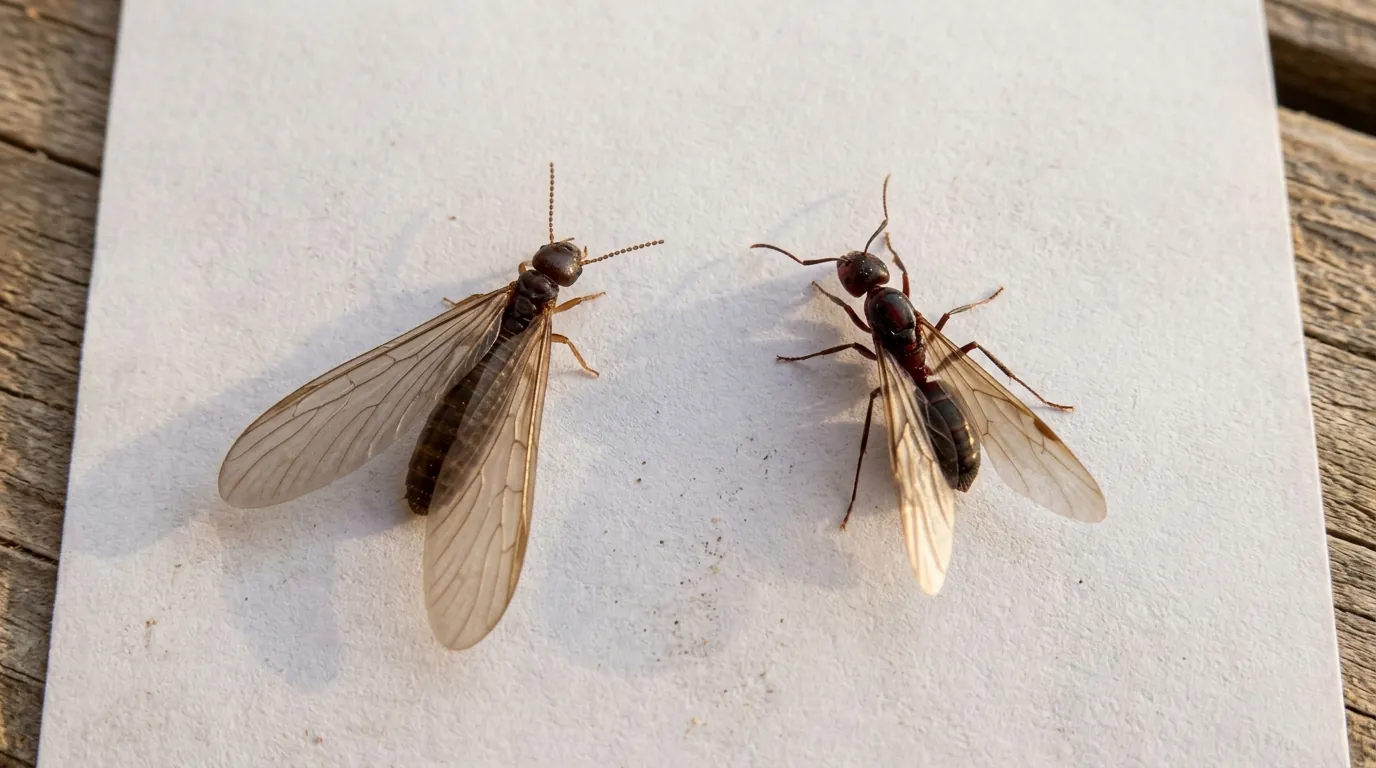
Flying ants swarm in spring too, and many people mix them up. Catch a few in a jar or on clear tape and look closely, using your phone camera zoomed in if needed. These are the differences that matter:
- Waist: termites have a thick waist with no pinch; ants have a narrow, pinched waist.
- Antennae: termite antennae are straight and beaded; ant antennae bend at an elbow.
- Wings: termite swarmers have four wings of equal length that extend well past the body; ants have front wings longer than the back wings.
- Wing loss: termites shed their wings easily, leaving piles behind; ants usually keep theirs.
- Color and size: native subterranean swarmers are typically dark brown to black and about three eighths of an inch long, wings included.
Wings on the windowsill and other signs to look for
Discarded wings are often the only evidence left after a swarm, because swarmers head for light and die near windows and doors. Look for small, translucent wings of equal size on windowsills, in spider webs near windows, along baseboards, in bathtubs and on the garage floor. Piles in the same spot each spring point to the same exit.
Mud tubes are the other key sign. Subterranean termites build pencil-width tubes of soil and saliva to travel from the ground into wood while staying moist. Check the slab edge around the outside of the house, inside the garage along the base of the walls, on foundation walls and on the piers under older pier-and-beam homes. Break a small piece of tube; if it's rebuilt within a few days, the colony is active.
Other clues are softer: baseboards that sound hollow when tapped, paint that bubbles or looks rippled, doors and windows that start sticking for no clear reason, and wood that breaks open to show layered tunnels packed with soil.
What to do the same day you see a swarm
A swarm is not a reason to panic, but it is a reason to act that week. Termites work slowly, and the damage you're worried about built up over a long time. Here is the order we suggest:
- Don't spray the swarmers with a household insecticide. Vacuum them up instead; they die quickly anyway.
- Before you vacuum, collect a few in a jar or on clear tape so the insect can be identified.
- Take photos of where they came out, such as a baseboard crack, window frame or slab joint, and mark the spot with painter's tape.
- Don't caulk or patch the exit point yet. It shows our technician exactly where to look.
- Walk the outside slab edge and the garage walls looking for mud tubes.
- Look for moisture near the swarm site: a leaking faucet, an AC condensate line dripping at the slab or soil piled above the foundation line.
- Call (806) 552-3060 to set up an inspection. We answer 24/7, including through the busy weeks of swarm season.
What draws termites to a Panhandle house
Out here the soil is dry much of the year, and termites go where the moisture is. AgriLife and our own inspections point to the same culprits: leaks under sinks and around water heaters, AC condensate lines that drain right at the slab, sprinklers that wet the brick, flower beds and mulch built up above the foundation line, and wood touching soil, such as fence posts, deck supports and siding that runs down into the dirt.
Heavy clay soil holds water near the foundation after a storm, and since about three quarters of Amarillo's yearly rain falls between April and September, the swarm season lines up with the wettest part of the year. Brick ranch homes on slabs can still get termites; they come up through expansion joints, plumbing penetrations and cracks in the slab, and through the gap behind brick veneer.
Fixing these conditions won't remove an existing colony, but it makes the house a much worse target and helps any treatment last.
What happens on the inspection and treatment
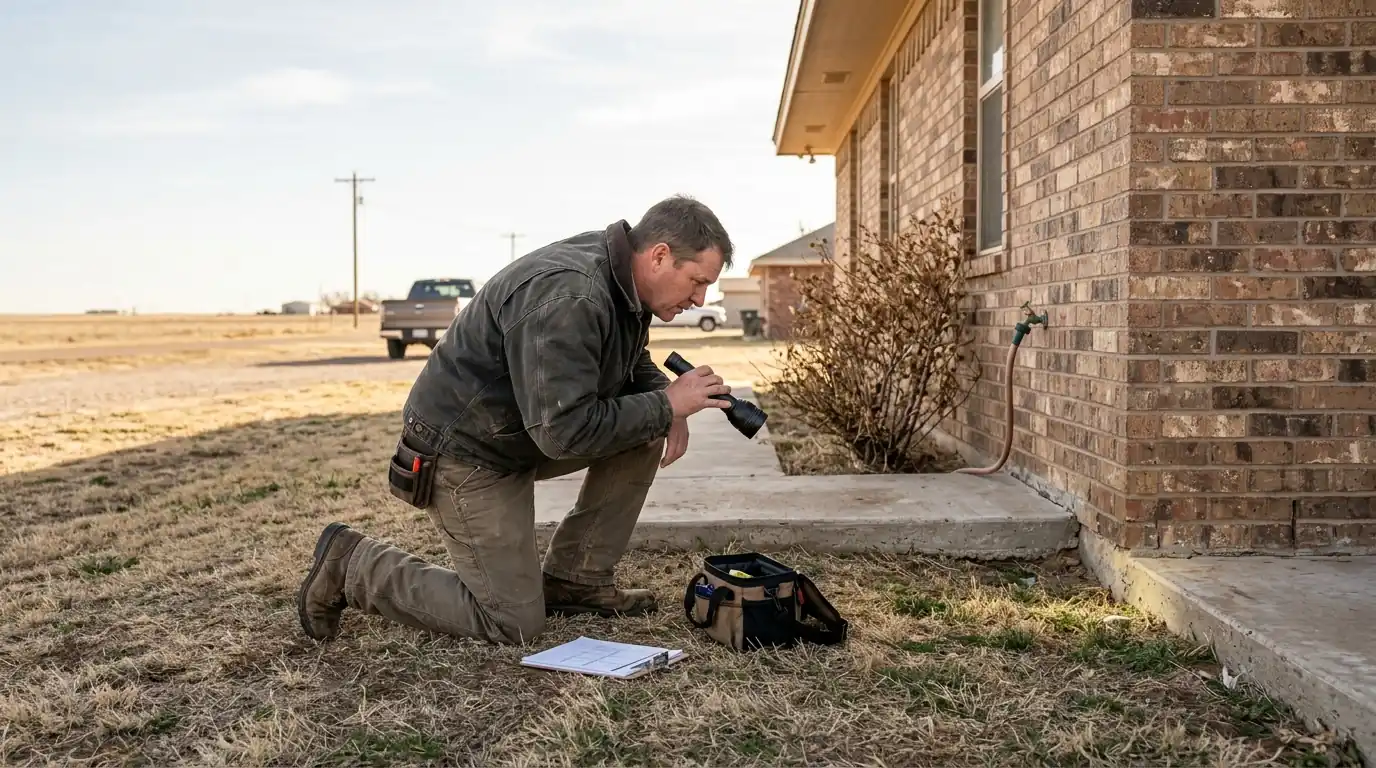
Our technician starts where you saw the swarm, then works around the inside and outside of the house. That means checking baseboards, door frames, bath traps and plumbing penetrations inside; the slab edge, weep holes and any wood near soil outside; and the garage, attic and crawlspace if there is one. A moisture meter and probing tool help find damage behind finished surfaces. You'll get a clear explanation of what was found and where.
If treatment is needed, the two main options are a liquid barrier and bait stations. A non-repellent liquid such as Termidor goes into a trench along the foundation and through drilled holes in slab areas like the garage and patio, so termites pass through it without noticing. Bait stations such as Sentricon are set in the soil around the house and checked over time, so workers carry the bait back to the colony. Many homes get a combination. We explain what fits your house and what the follow-up looks like.
Dolores Lankford, Pest Advice Editor, edits the Pest Advice section for Pestcon, Inc.. Articles are checked against Texas A&M AgriLife, Texas Parks and Wildlife, Texas DSHS, NWS Amarillo and City of Amarillo guidance.
Questions about this article
If termites swarmed inside last spring and not this spring, is the colony gone?
Not necessarily. A colony doesn't swarm every year in the same spot, and swarmers may exit outdoors where you never see them. The colony can keep feeding in or under the house without any visible flight. A year without a swarm is not proof the problem is over. An inspection of the original exit point, the slab edge and the garage walls for mud tubes is the reliable way to know.
Can a termite swarm come out of a slab home with no wood touching the ground?
Yes. Subterranean termites only need a hairline opening to get from the soil into a slab home. They come up through expansion joints, cracks, plumbing penetrations under bathtubs and the space behind brick veneer. Swarms in slab homes often come out of baseboards, bath traps or garage wall plates. No visible wood-to-soil contact outside doesn't rule out an active colony.
Services that go with this article
Termite Inspections & WDI Reports
Most Amarillo home sales include a Texas Wood Destroying Insect Report, and many owners want a yearly termite check anyway.
Termite Control
Native subterranean termites live in the soil under Amarillo and work their way into houses through mud tubes you rarely see.
Termite Bait Stations
Termite bait stations sit in the soil around your house and quietly intercept foraging termites before they reach the foundation.
Ant Control
Ants trailing along a baseboard or pushing sand up through a slab crack usually mean a colony is nesting close by, often under the...